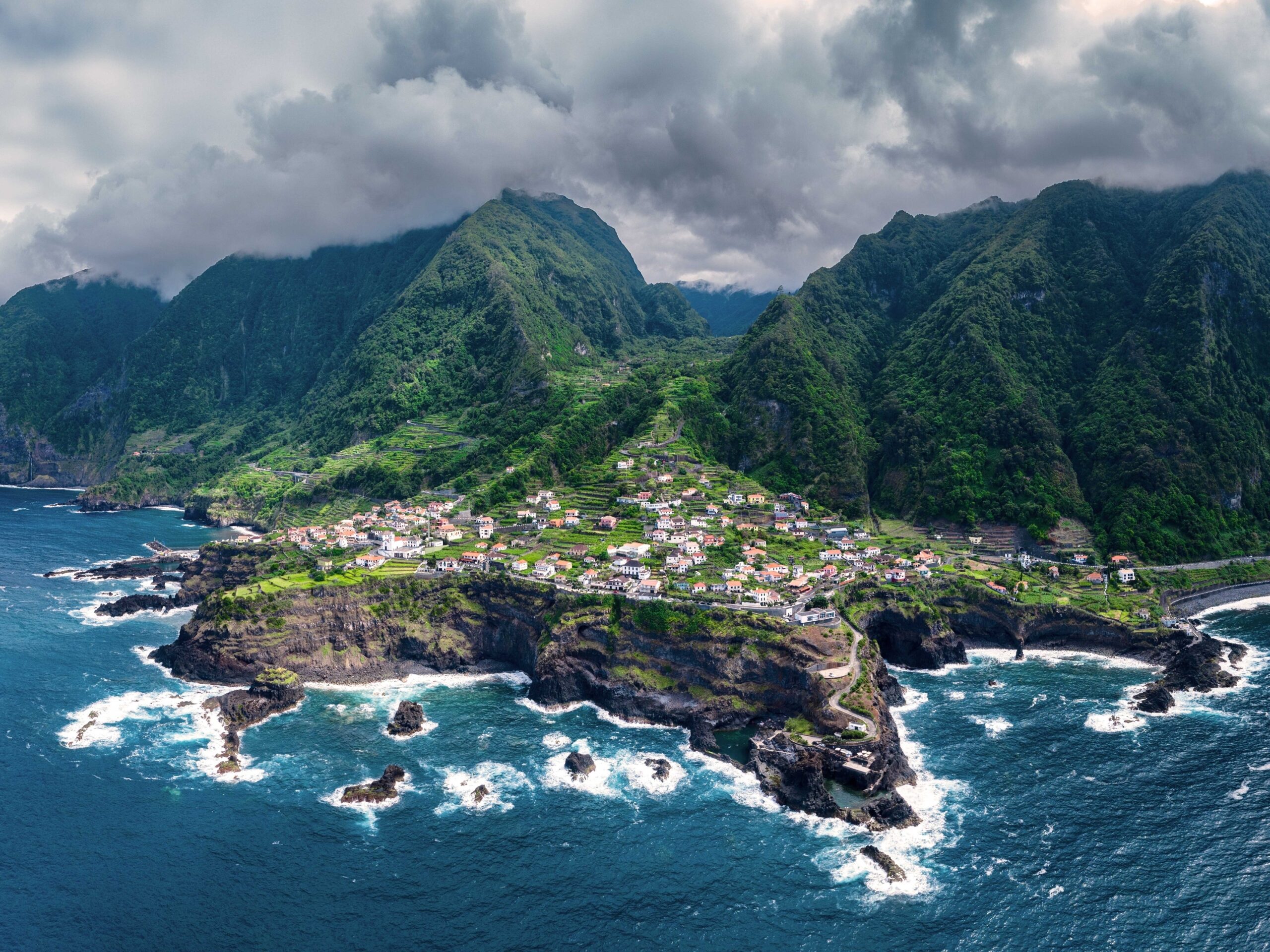

Madeira sits above underwater canyons that drop to 3,000m just five kilometres from shore — which is why more than 25 confirmed cetacean species pass through or live here year-round, and why sighting rates are among the highest in Europe. This guide covers what makes Madeira different, which tour format suits you, how to pick a responsible operator, and how to show up prepared — including the honest word on seasickness. Read it before you book, not after.
🎯 Is Whale Watching in Madeira Worth It?
- Short answer: Yes — deep water 5km from shore, a land-based vigia spotter network, and resident year-round species make this one of Europe’s most reliable destinations
- Sighting rates: Morning tours consistently exceed 90% — among the highest of any European destination
- Species: 25+ confirmed, including sperm whales, pilot whales, and bottlenose dolphins year-round
- Best season: Spring (Apr–Jun) for migratory blue and fin whales; summer for calmer seas
- Format: Catamaran (stable, families) vs speedboat (faster, closer, bumpier)
- Book in advance: Peak season tours sell out days ahead — don’t leave it to the morning
📑 Quick Navigation
Why Madeira Is One of Europe’s Best Places to Watch Whales
The underwater geography that makes it work
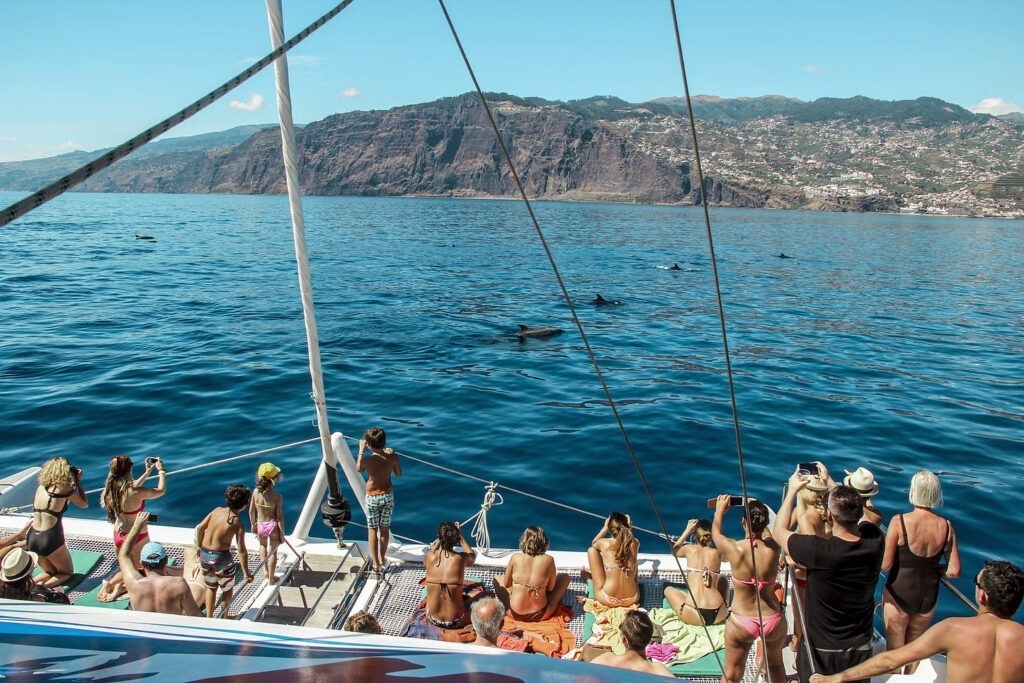
Most European whale watching destinations require long offshore journeys to reach productive water. Madeira doesn’t. The island sits on the edge of a deep ocean plateau, and the seafloor drops steeply to over 3,000m within a few kilometres of the southern coast. That depth brings pelagic and deep-diving species — sperm whales, beaked whales — unusually close to shore. A two-hour tour here covers ground that would take four or five hours elsewhere.
The vigia system — how land-based spotters find the animals for you
Madeira has a network of elevated coastal lookout posts called vigias, originally built during the whaling era for spotters to locate animals from shore. The system still operates today — land-based observers watch the water and radio boat crews in real time when animals are located.
This is a genuine differentiator. Many whale watching destinations send boats out to search; Madeira’s tours often depart already knowing where the animals are. It directly increases sighting rates and reduces time spent scanning empty water.
From whaling to Whale Heritage Area
Madeira voluntarily ceased commercial whaling in 1981. In October 2023, it became a designated Whale Heritage Area — a certification from the World Cetacean Alliance recognising destinations where cetacean welfare and conservation are embedded in tourism practice.
The point isn’t to dwell on the history, but to note the direction of travel: the same coastline that once hunted these animals now actively monitors and protects them.
What Species Can You See — and When
Year-round residents — the species you can almost always find
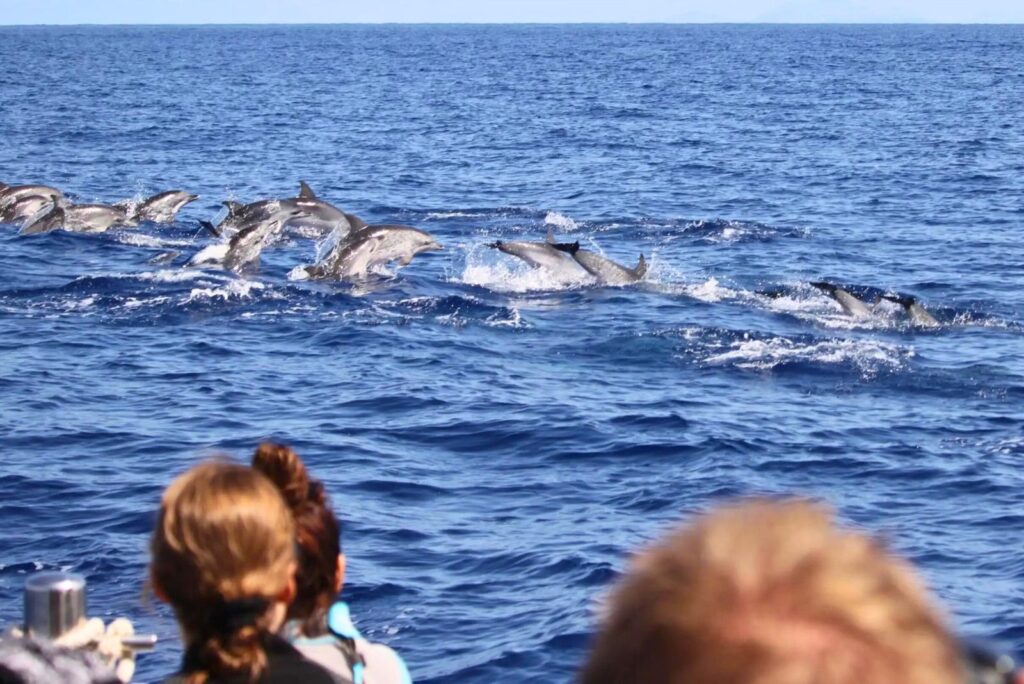
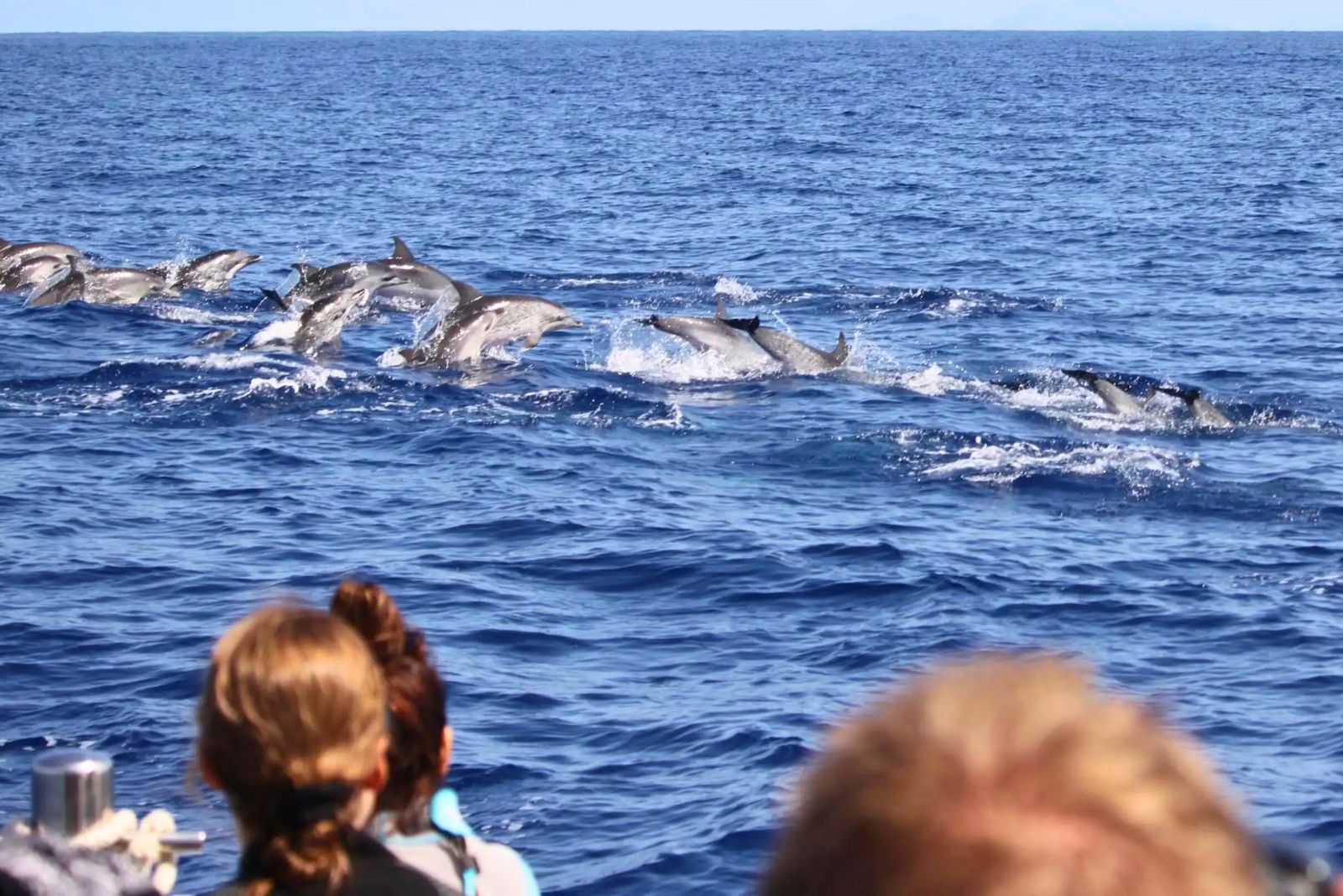
Four species are present throughout the year: bottlenose dolphins, short-finned pilot whales, sperm whales, and beaked whales (both Blainville’s and Cuvier’s). The deep, stable water around Madeira provides consistent feeding grounds — these aren’t passing visitors. On any given morning departure, at least one of these species is likely within range.
Seasonal and migratory species — what the calendar unlocks
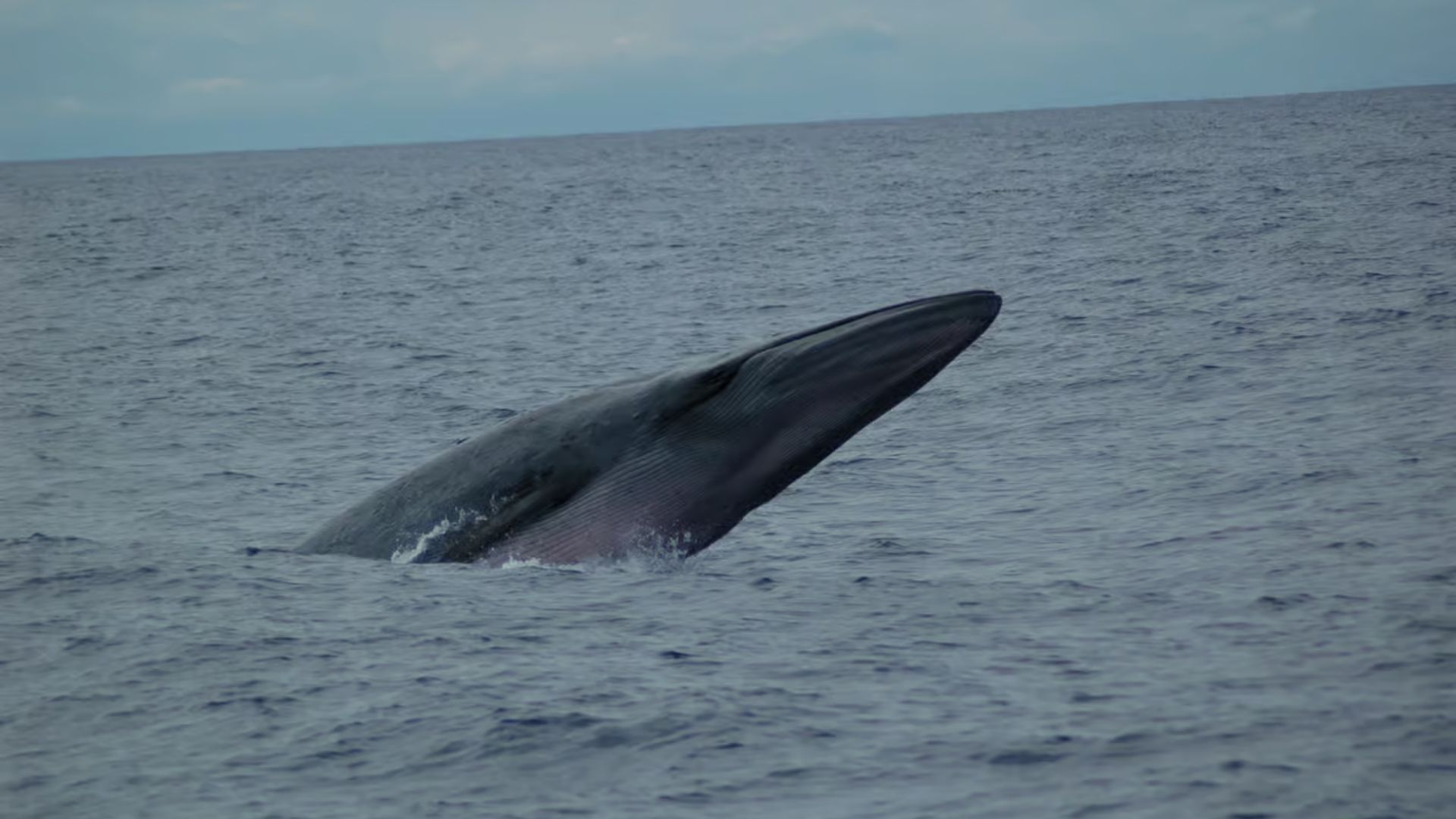
Spring (April–June) is the window for large migratory species. Blue whales and fin whales pass through during this period — sightings aren’t guaranteed, but this is the best realistic chance in European waters for blue whales specifically.
Summer (July–September) brings Atlantic spotted dolphins in larger numbers and generally calmer sea conditions — the most comfortable time for nervous first-timers or families.
Autumn and winter remain productive for resident species, but seas get rougher. Occasional orca and humpback sightings are reported but genuinely rare — treat them as a bonus, not a basis for planning.
Sighting probability — what the numbers actually mean
One operator (VipDolphins, 2025 data) reports sighting rates of approximately 95% on morning tours, 91% on afternoon tours, and 67% on summer sunset tours. These are specific to one operator and one year — they are not an industry average and should not be treated as such.
That said, they are a useful anchor. Morning tours consistently outperform afternoon and sunset departures for both sighting rates and sea conditions. If you have one chance, book morning.
Catamaran vs. Speedboat — Which Tour Is Right for You
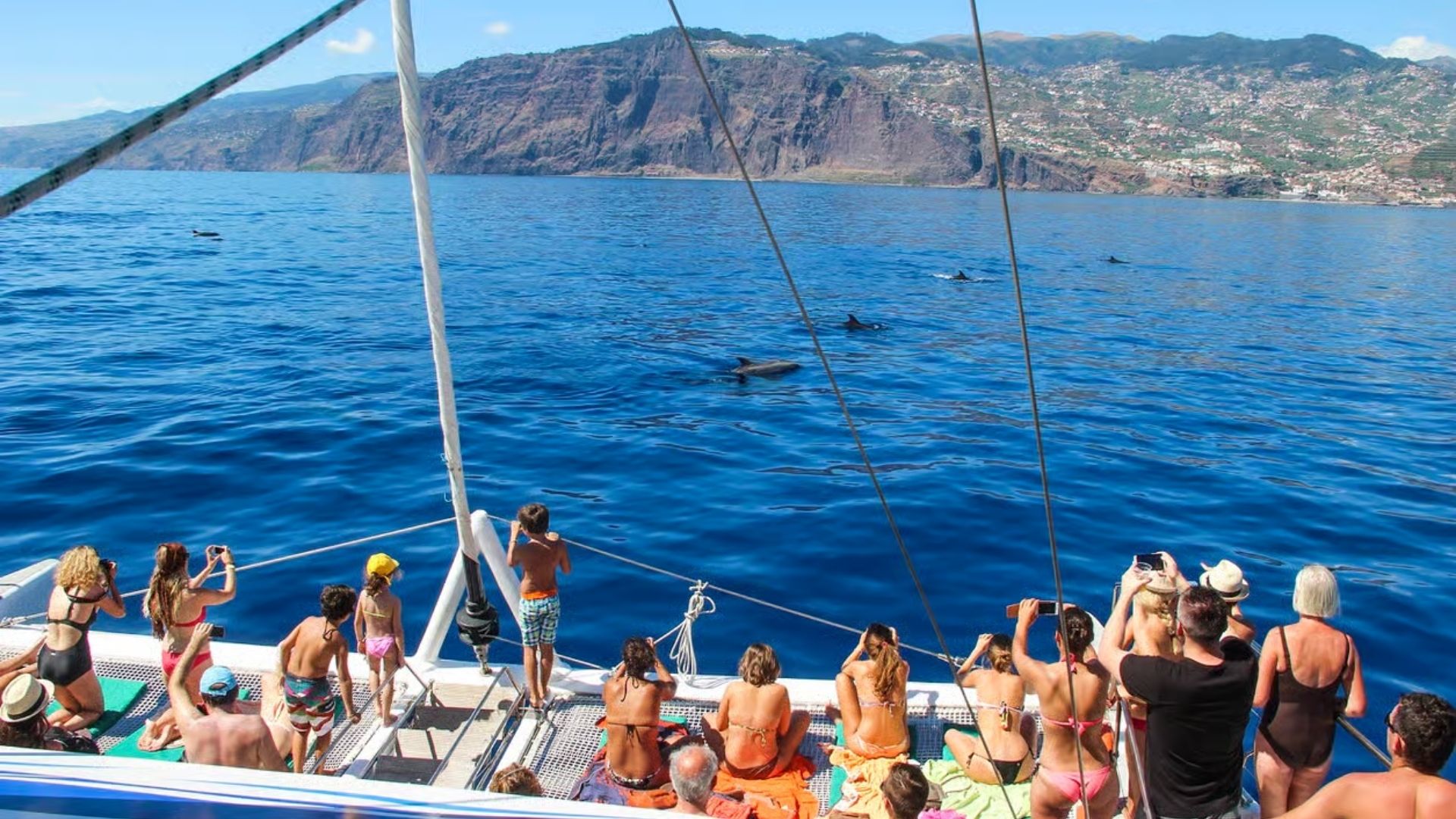
Typically 30–100 passengers. Stable, spacious, and significantly better for anyone prone to seasickness. You watch from a larger, higher platform — close encounters feel less immediate. Some operators use near-silent engines when approaching wildlife. Sunset tours are atmospheric and popular, though sighting rates are lower than morning departures.
Around 18 passengers maximum. Reach animals faster, offer a more intimate view, and are the preferred format for wildlife enthusiasts who want proximity over comfort. The honest trade-off: it’s bumpier, you will get wet, and the motion is more pronounced — relevant for seasickness-prone travellers.
Match to traveller profile
| Profile | Recommended format |
|---|---|
| Families with young children | Catamaran — stability and space matter |
| Seasickness-prone | Catamaran, morning departure |
| Wildlife enthusiast | Speedboat, morning |
| Couples / romantic outing | Catamaran sunset (lower sighting rate, but atmospheric) |
| Solo traveller prioritising sightings | Speedboat, morning |
For families with children, see our guide to family adventures in Madeira for more suitable activity options alongside whale watching.
How to Choose a Responsible Operator
What an IFCN-licensed operator looks like
The IFCN (Instituto das Florestas e Conservação da Natureza) licenses and regulates cetacean watching in Madeira. Licensed operators must maintain a minimum 100m approach distance from whales, 50m from dolphins (unless dolphins approach the vessel voluntarily), and are prohibited from chasing, circling, or repeatedly revisiting the same pod.
This is the legal minimum. A good operator goes beyond it. When booking via Beyond Madeira, verify with the partner directly that current IFCN certification is in place.
Green flags to look for
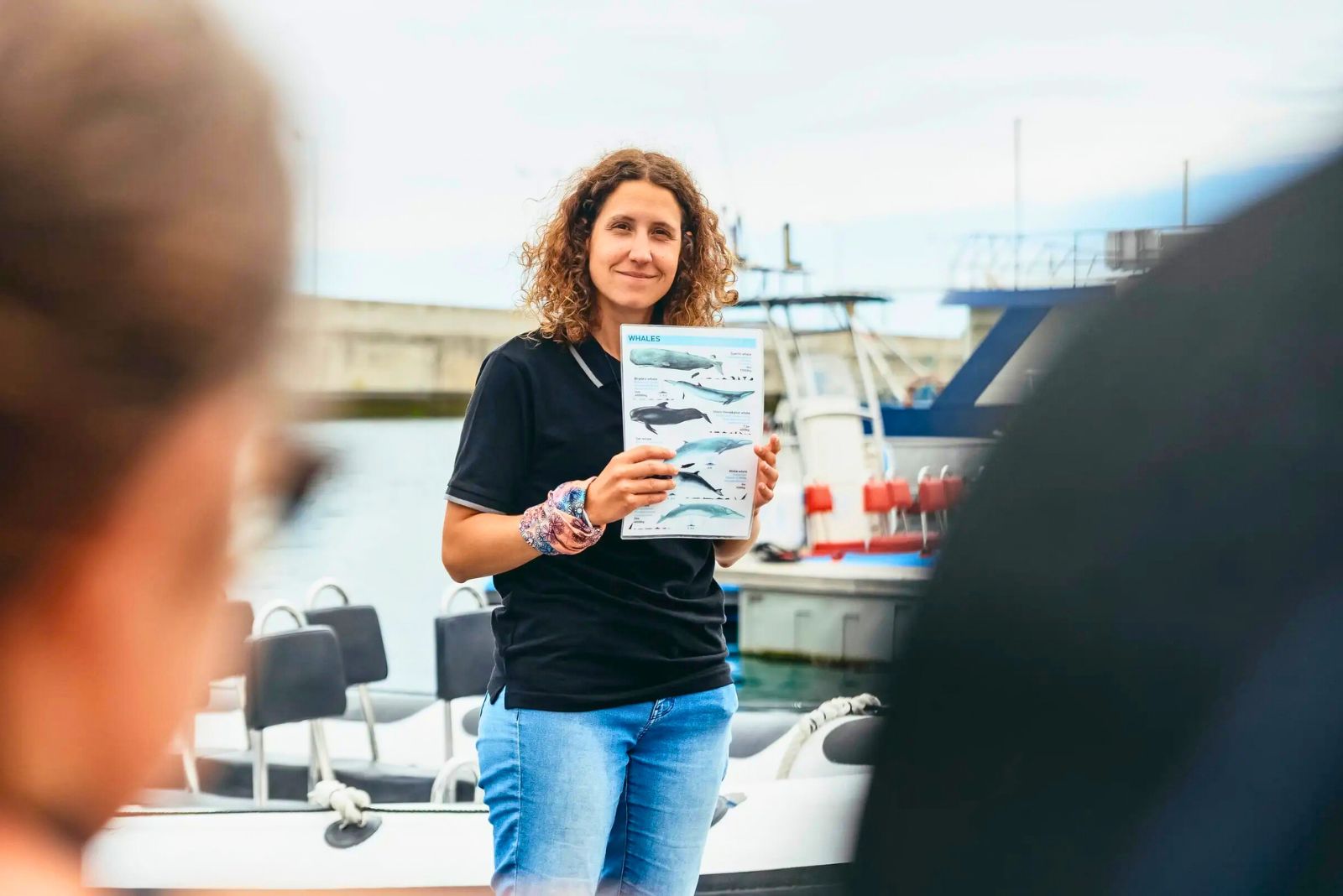
A marine biologist on board makes a genuine difference to the quality of the experience — not just ethically, but practically. You get real-time identification, behavioural context, and answers to questions. Look also for: small group size, electric or near-silent engines near wildlife, contribution of sighting data to scientific research, and WCA (World Cetacean Alliance) certification. Lobosonda became the first WCA-certified operator in Madeira in September 2020.
The sighting guarantee debate
Practical Prep — What to Bring and What to Expect
Seasickness — honest advice for first-timers
Seasickness is a real risk, especially on speedboats, in autumn and winter, or in afternoon swell. It is not a reason to skip the tour — it’s a reason to prepare properly.
Practical steps that actually work: take medication before you board (not after symptoms start — it’s too late). Choose a morning departure when seas are calmer. Eat a light meal beforehand — not nothing, not a full breakfast. Sit toward the middle of the vessel and keep your eyes on the horizon. Avoid reading or looking at your phone. Most tours in calm conditions are fine. But if you know you’re prone, take the medication regardless.
What to wear and bring
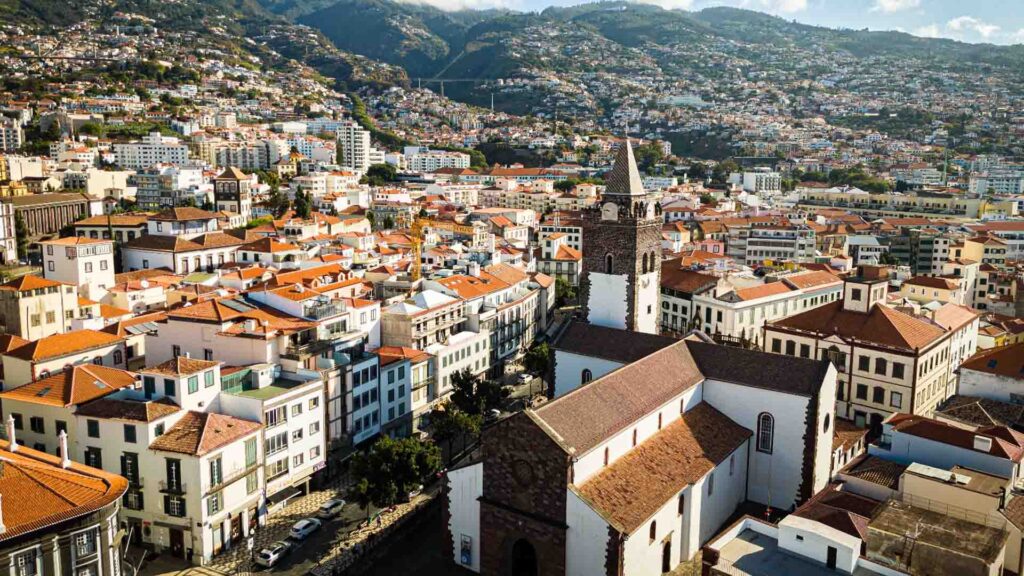
Open water is cooler and windier than the Funchal waterfront, even in summer. A windproof layer is worth bringing even in July.
- Sunscreen and sunglasses
- Windproof layer (essential year-round)
- Small dry bag for your phone and camera
- Seasickness tablets if you’re prone
- Water — tours typically run 2–3.5 hours
Skip: large backpacks (no space), valuable jewellery, white clothing (sea spray stains).
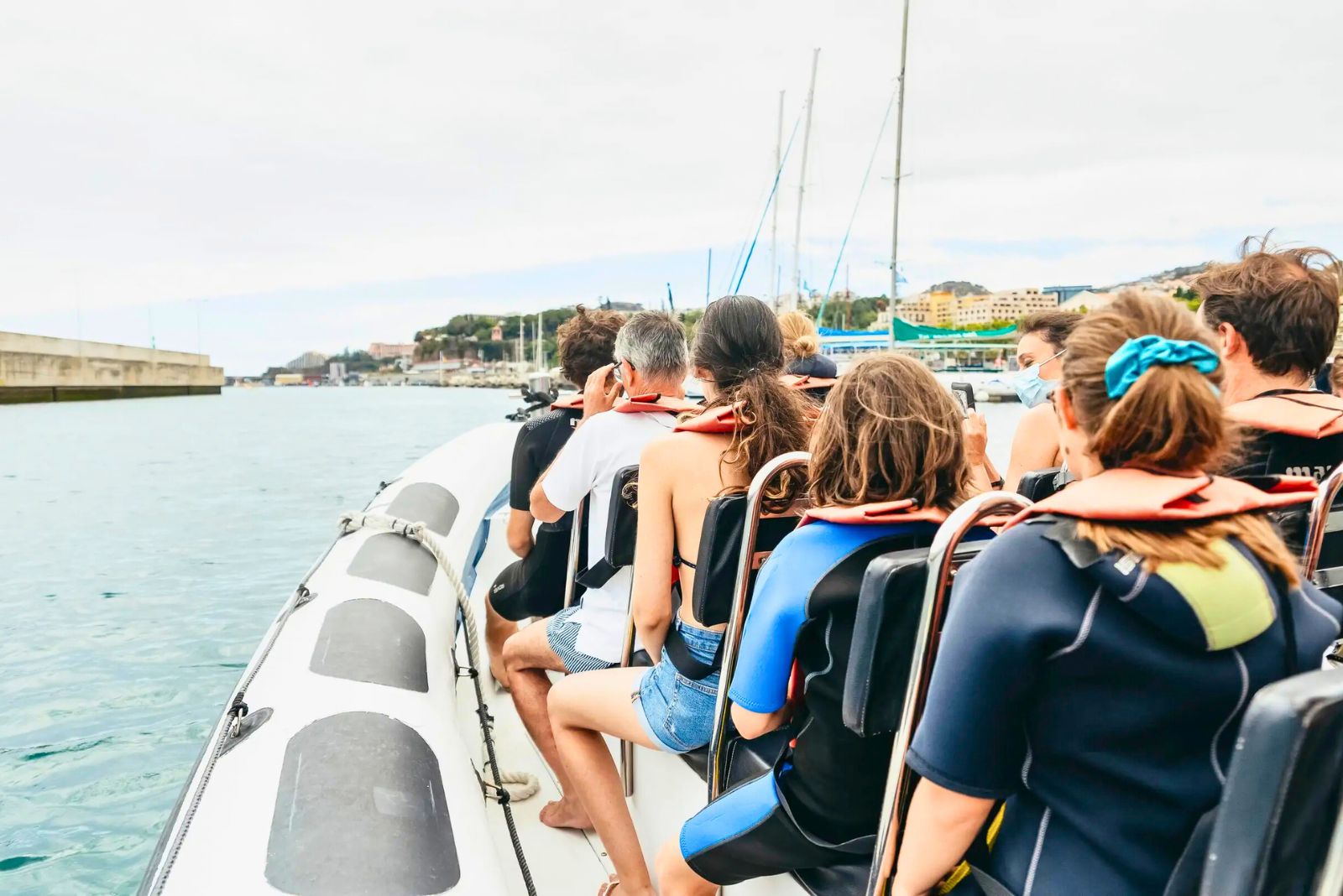
Getting to the marina and checking in
Most tours depart from Marina Nova do Funchal. Arrive 20–30 minutes before departure — this gives you time to check in and position yourself well on the vessel. Your exact check-in point will be confirmed in your booking details.
Whale watching fits naturally into day 1 or 2 of a Funchal-based trip, leaving the afternoon free for the city — see our 3-day Madeira itinerary for a practical structure.
🐬 Ready to Book a Whale Watching Tour?
Skip the operator research. Beyond Madeira works with vetted local partners — you book, we confirm the details, and you show up at the right place at the right time. Cancellation is generally possible up to 48 hours before for a full refund — always check the specific policy for your activity. Most activities are paid on the day; if you’d prefer to pay in advance, get in touch via WhatsApp or email for a payment link.
Browse Whale Watching Experiences →Beyond Funchal — Alternative Departure Points
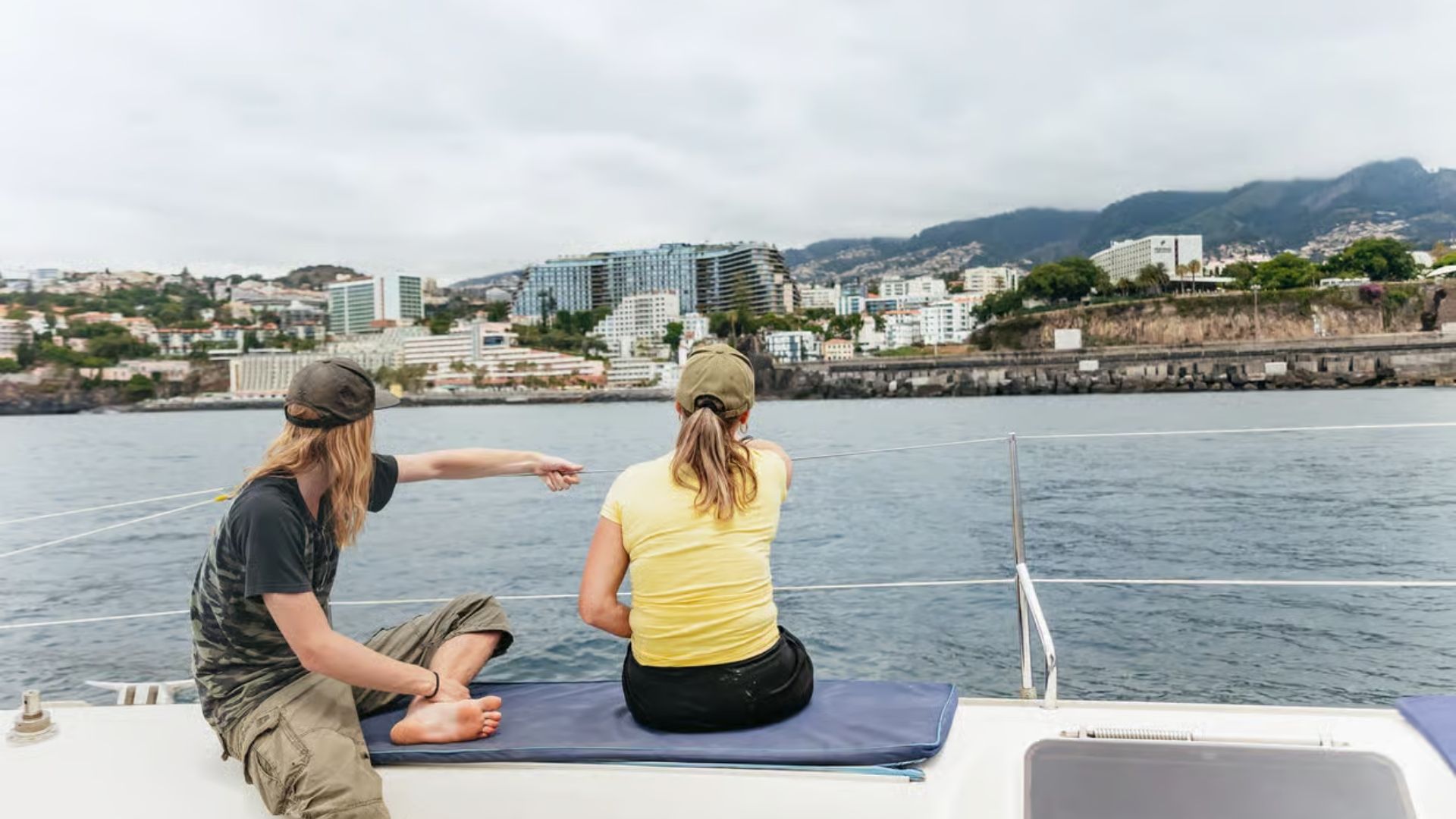
West coast departures from Calheta
Operators including Lobosonda depart from the southwest coast, which may be relevant for travellers staying in Calheta or the western parishes. The shorter distance to deep water can be an advantage for certain species. Confirm pricing and logistics directly when booking, as these vary by operator and season.
Where you’re staying affects which departure point makes sense — see our guide on west vs. east Madeira for a broader breakdown.
While You’re There — The Whale Museum in Caniçal
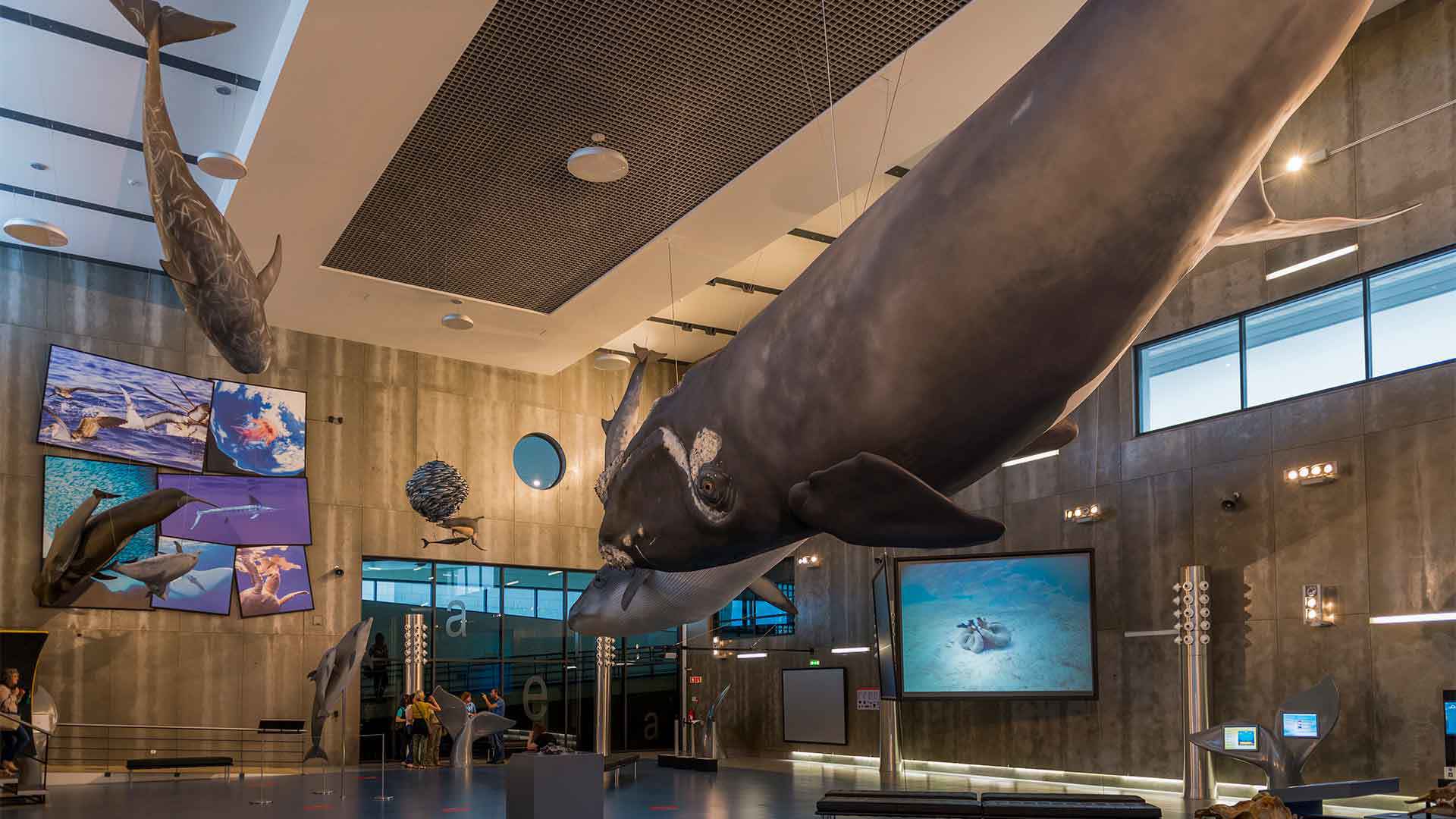
Located on Rua da Pedra d’Eira in Caniçal, the Museu da Baleia (Whale Museum) covers Madeira’s whaling history and the shift to conservation. Open Tuesday to Sunday, 10:00–18:00; closed Monday and public holidays.
It’s a natural complement to a whale watching tour — the same story, opposite chapters. Worth the detour if you’re already heading east toward Caniçal or Ponta de São Lourenço.
Frequently Asked Questions
Is whale watching in Madeira worth it?
For most visitors, yes — the combination of deep water close to shore, the vigia spotter system, and resident year-round species means sighting rates are genuinely high compared to most European destinations.
What is the best time of year for whale watching in Madeira?
Spring (April–June) offers the best chance of migratory species including blue and fin whales. Summer is calmer and more comfortable. Year-round species are present in every season.
What’s the difference between a catamaran and a speedboat tour?
Catamarans are larger, more stable, and better for families or seasickness-prone travellers. Speedboats carry fewer people, reach animals faster, and offer a more immediate viewing experience — but the ride is bumpier.
How likely am I to actually see whales or dolphins?
Morning tour sighting rates from one operator (VipDolphins, 2025) are around 95%. These are specific to that operator — treat them as indicative, not guaranteed. Resident species mean the baseline is genuinely high year-round.
Is whale watching in Madeira suitable for children?
Catamaran tours are generally suitable for children. Speedboat tours have age restrictions that vary by operator — check the specific activity page or confirm with the operator before booking.
Can you swim with dolphins in Madeira?
Regulated cetacean watching tours do not permit swimming with dolphins — IFCN rules prohibit entering the water near cetaceans. Any operator offering this should be treated with caution.
What should I do if I feel seasick on the boat?
Move to the middle of the vessel, fix your eyes on the horizon, and breathe slowly. The main prevention is taking medication before departure — once symptoms start, it’s much harder to manage. Inform the crew if you’re feeling seriously unwell.
Do I need to book whale watching in advance in Madeira?
Yes, especially in summer. Popular tours sell out days in advance during peak season. Book before you arrive rather than on the day.
🐋 Book Your Whale Watching Experience in Madeira
Beyond Madeira works with vetted local partners — catamaran and speedboat options available. All bookings include a free interactive offline map of Madeira, activated via the email linked to your Google Maps account.
Browse Whale Watching Tours → See What Else Is Worth Your Time →