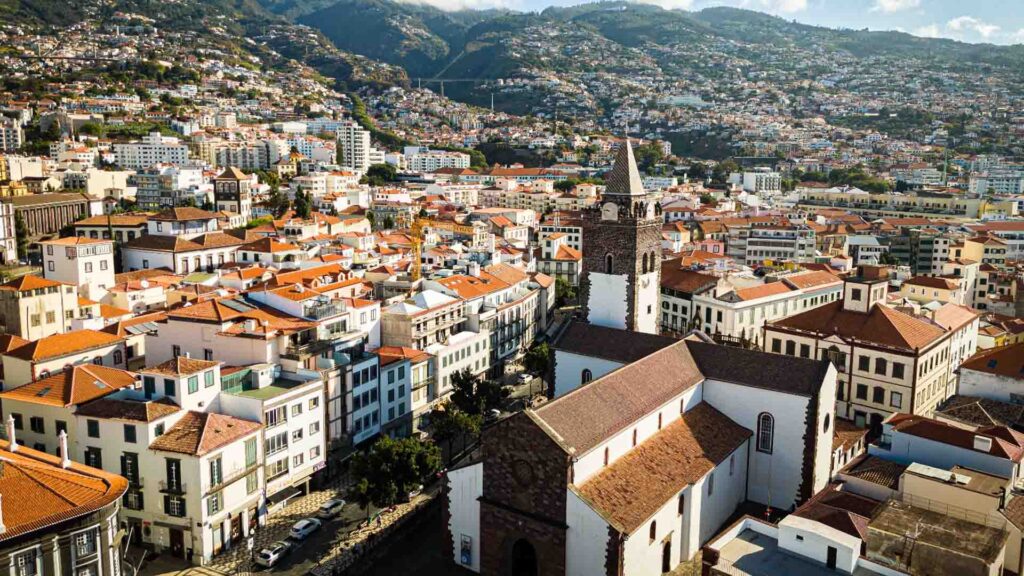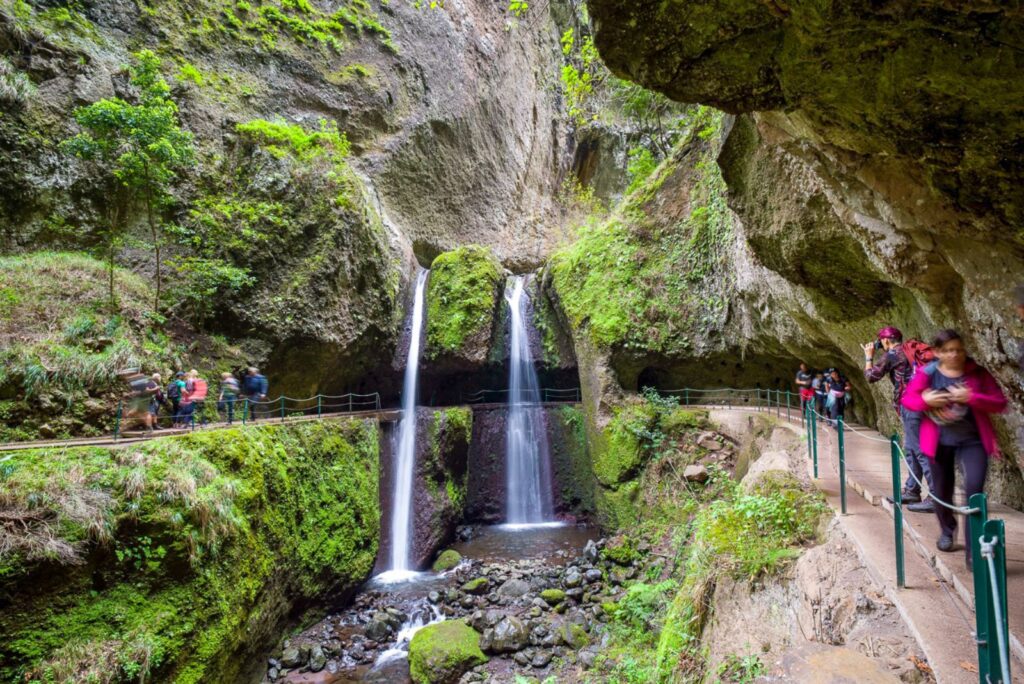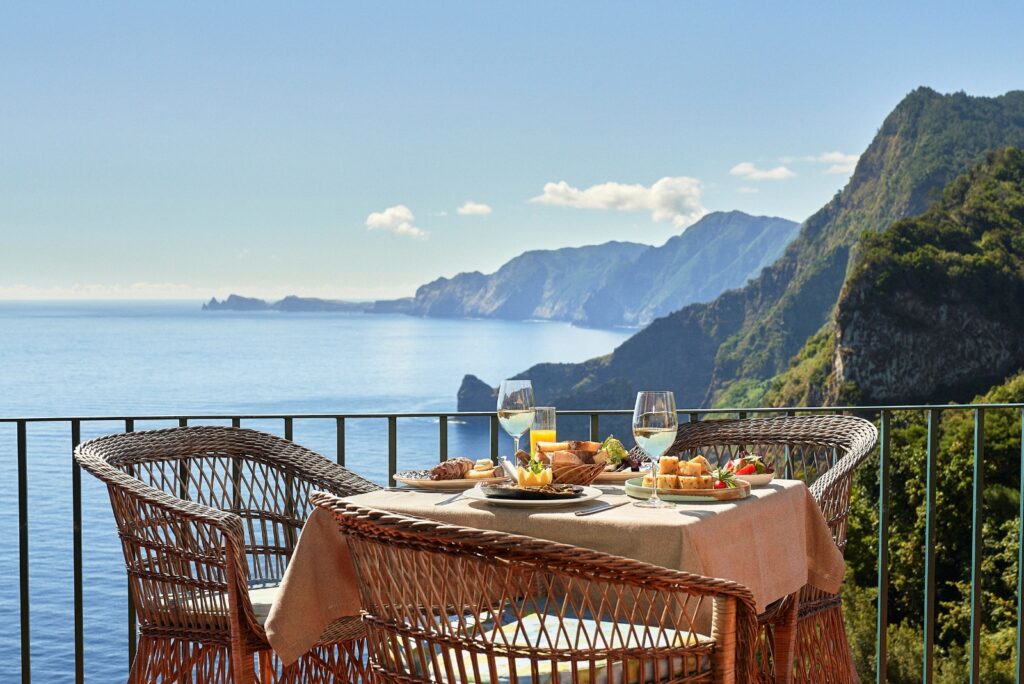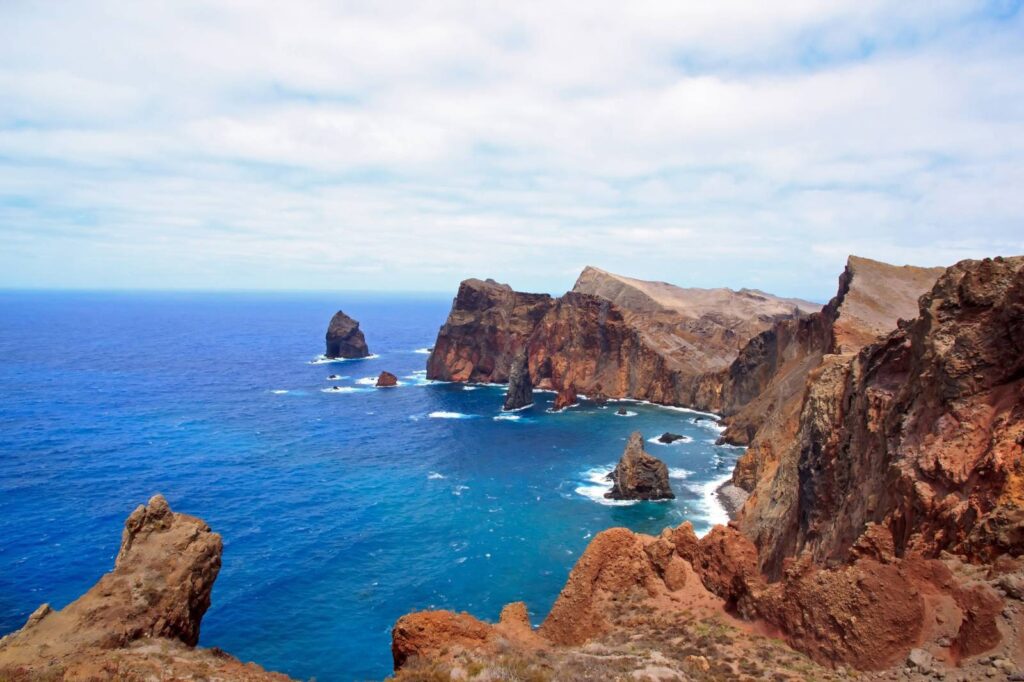

The forecast for Funchal tells you almost nothing about what the weather is doing on the north coast, at 1,400m on the PR1, or in the laurisilva forest on the PR9. Madeira has multiple climates operating simultaneously — and the difference between them can be a 10-minute drive. This guide covers what the weather actually means for your trip, month by month, by activity, and by where on the island you’re planning to be.
🎯 Best Months at a Glance
- Best overall: May, September, October
- Local favourite: September — warm sea, falling crowds, harvest season
- Best for hiking: April–June, September–October
- Best for swimming: July–October (sea peaks at 22–24°C)
- Best for whale watching: April–June for migratory species; year-round for residents
- Budget travel: January–March, November
- Avoid: August if you dislike crowds; June summit hikes without webcam check
📑 Quick Navigation
Understanding Madeira’s Microclimates First
North vs south — why they’re different worlds
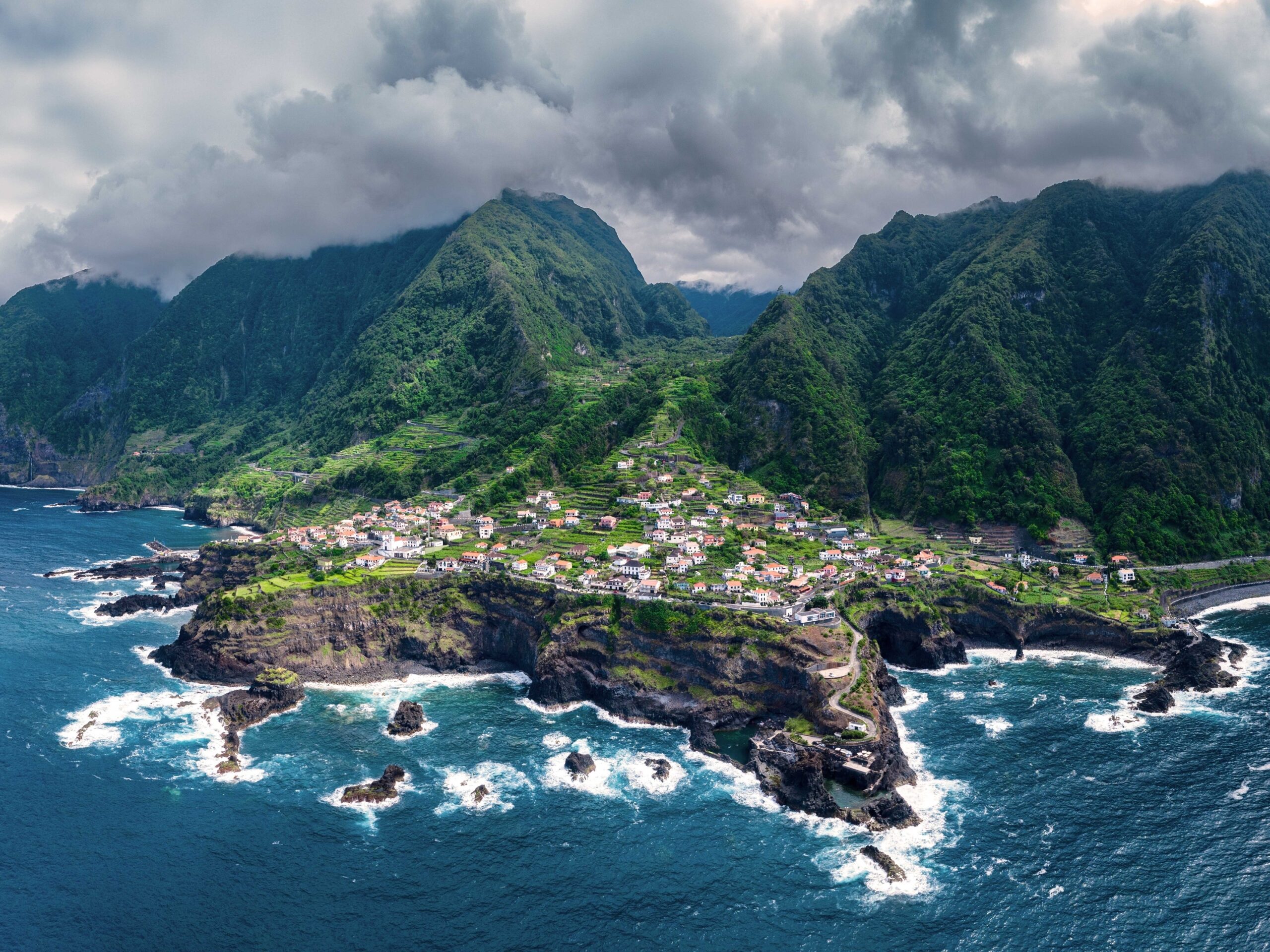
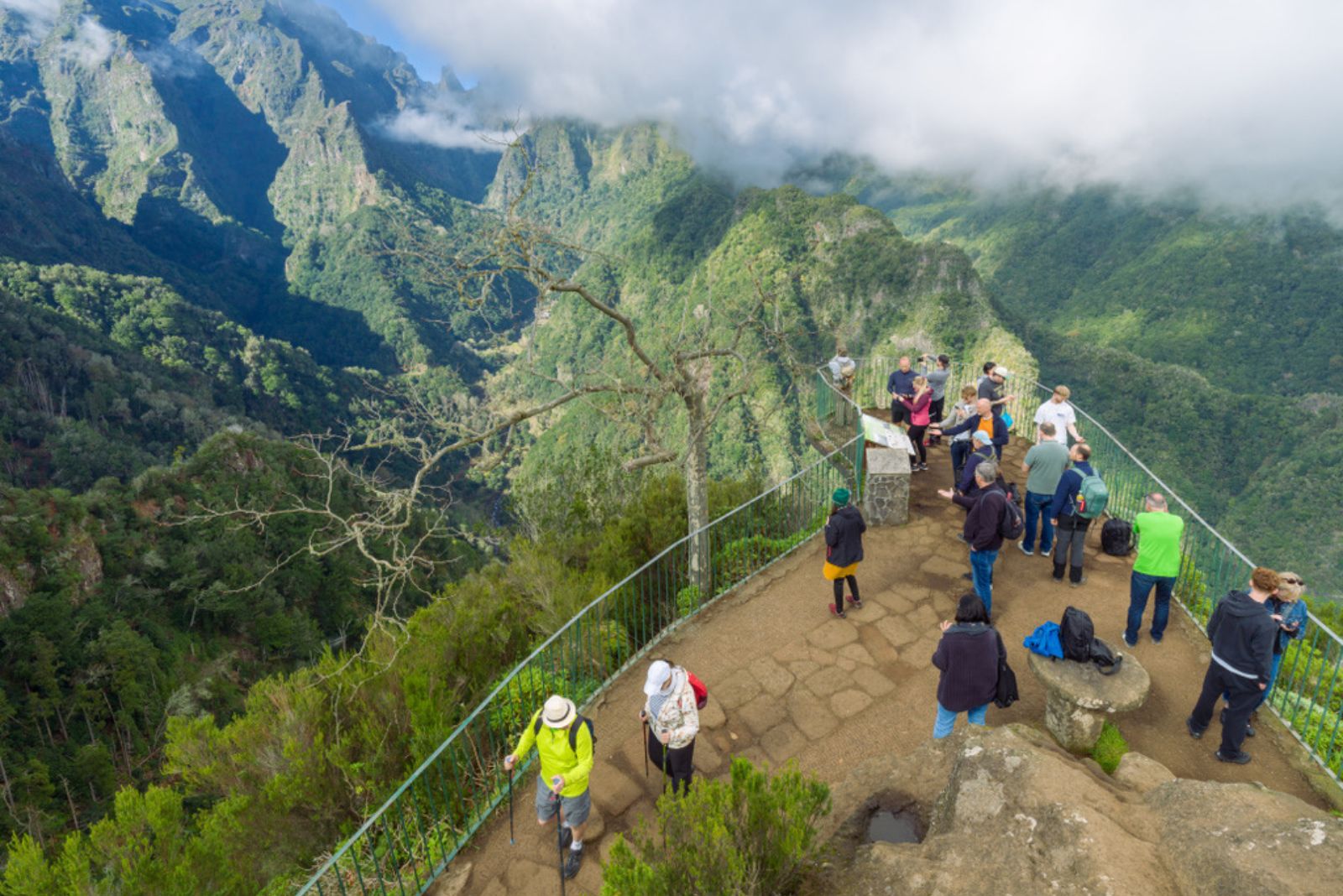
The central mountain range that runs east to west across Madeira acts as a weather barrier. Atlantic moisture comes predominantly from the north, hits the ridge, and drops as cloud and rain on the north coast. The south coast — including Funchal — sits in the rain shadow and is significantly drier and sunnier.
The practical result: drive 10 minutes over the ridge from Funchal and you can move from sun into cloud, or cloud into sun, depending on the direction. A rainy morning in Santana doesn’t mean a rainy morning in Funchal. A clear sky in Funchal doesn’t mean clear mountains.
This is the most important piece of weather information for anyone planning activities on Madeira. The south coast forecast and the mountain forecast are not the same thing.
Altitude — what happens above 1,000m
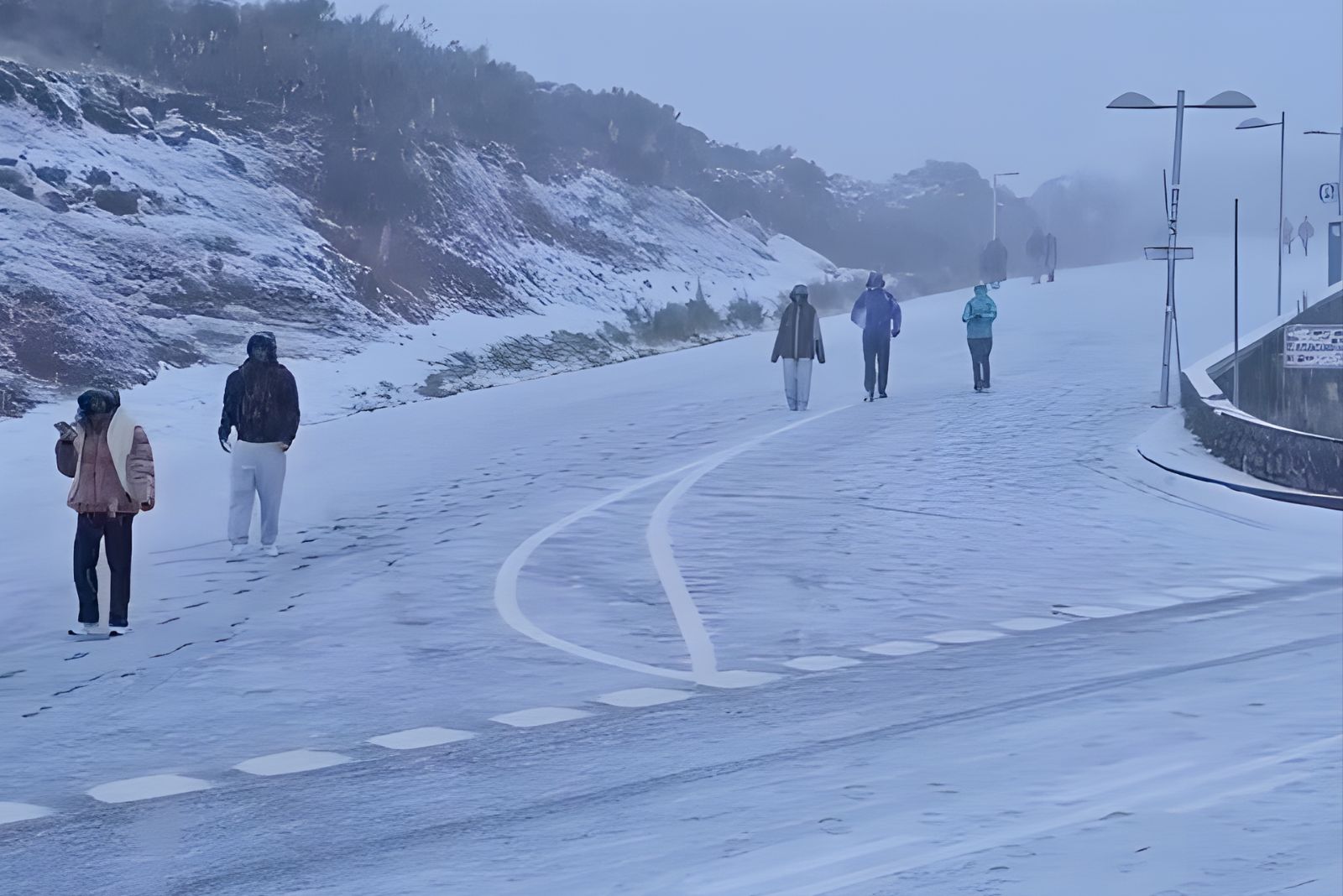
Temperature drops roughly 6–7°C for every 1,000m of altitude gain. Funchal at sea level in July at 25°C means approximately 18°C at the 1,800m summit of Pico Arieiro. In winter, that same summit can be at or below freezing. Frost and occasional ice on the PR1 path are not unusual in January and February.
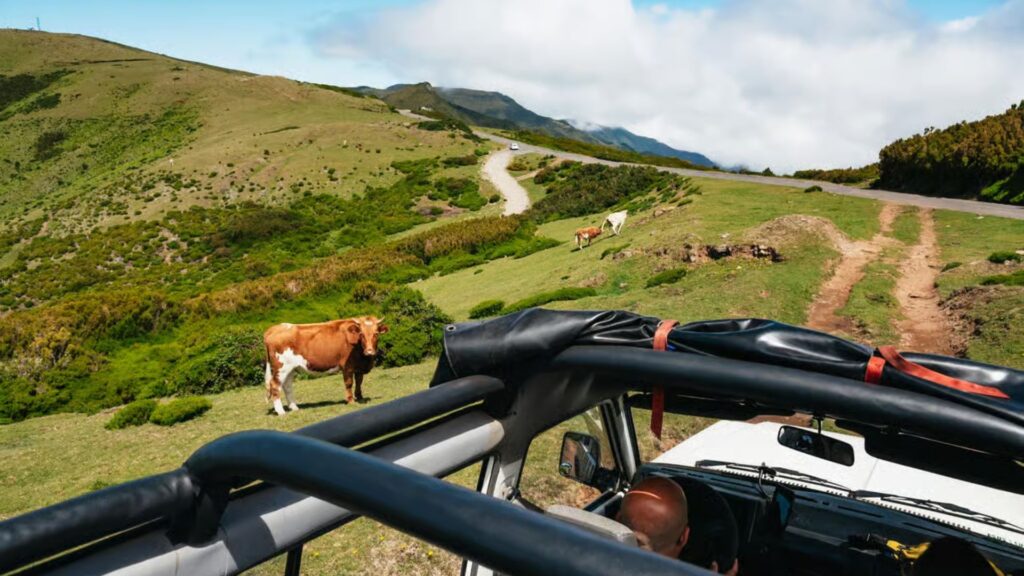
Cloud and mist at altitude are the default, not the exception. Before heading to any summit trail, check the webcams — search “Pico Arieiro webcam” for the current official source.
The capacete — Madeira’s June cloud phenomenon
From roughly late May through June, a persistent cloud formation settles over the island’s central peaks. The capacete (Portuguese for “helmet”) doesn’t always affect the south coast or Funchal, but it significantly reduces summit visibility and can make the PR1 a grey, low-visibility experience.
The Vento Leste — the east wind that changes everything
Several times a year, typically in spring and summer, a hot, dry east wind blows across Madeira from the Sahara. Temperatures in Funchal can jump to 35°C or above; the sky turns an orange-grey haze; humidity drops sharply. It lasts 1–3 days, usually.
Madeira Month by Month
January & February
Funchal: 15–19°C. The island’s quietest and most affordable period. South coast levadas are walkable. Mountain trails require full winter kit — frost is possible above 1,200m. February brings Carnival — one of the most elaborate in the Atlantic, running over two weeks with parades and street celebrations in Funchal. Book accommodation well in advance for Carnival. See our Madeira Carnival 2026 guide for dates and logistics.
Best for: Budget travel, Carnival (Feb), quiet levadas, whale watching (resident species).
Avoid: Summit hikes without checking conditions; expecting beach weather.
March & April
The island starts greening visibly. Temperatures rising slowly — 17–22°C in Funchal. Rain reducing on the south coast. April is Flower Festival month — Funchal’s streets filled with elaborate flower carpets, typically over a long weekend in late April or early May. This is when hiking season genuinely begins.
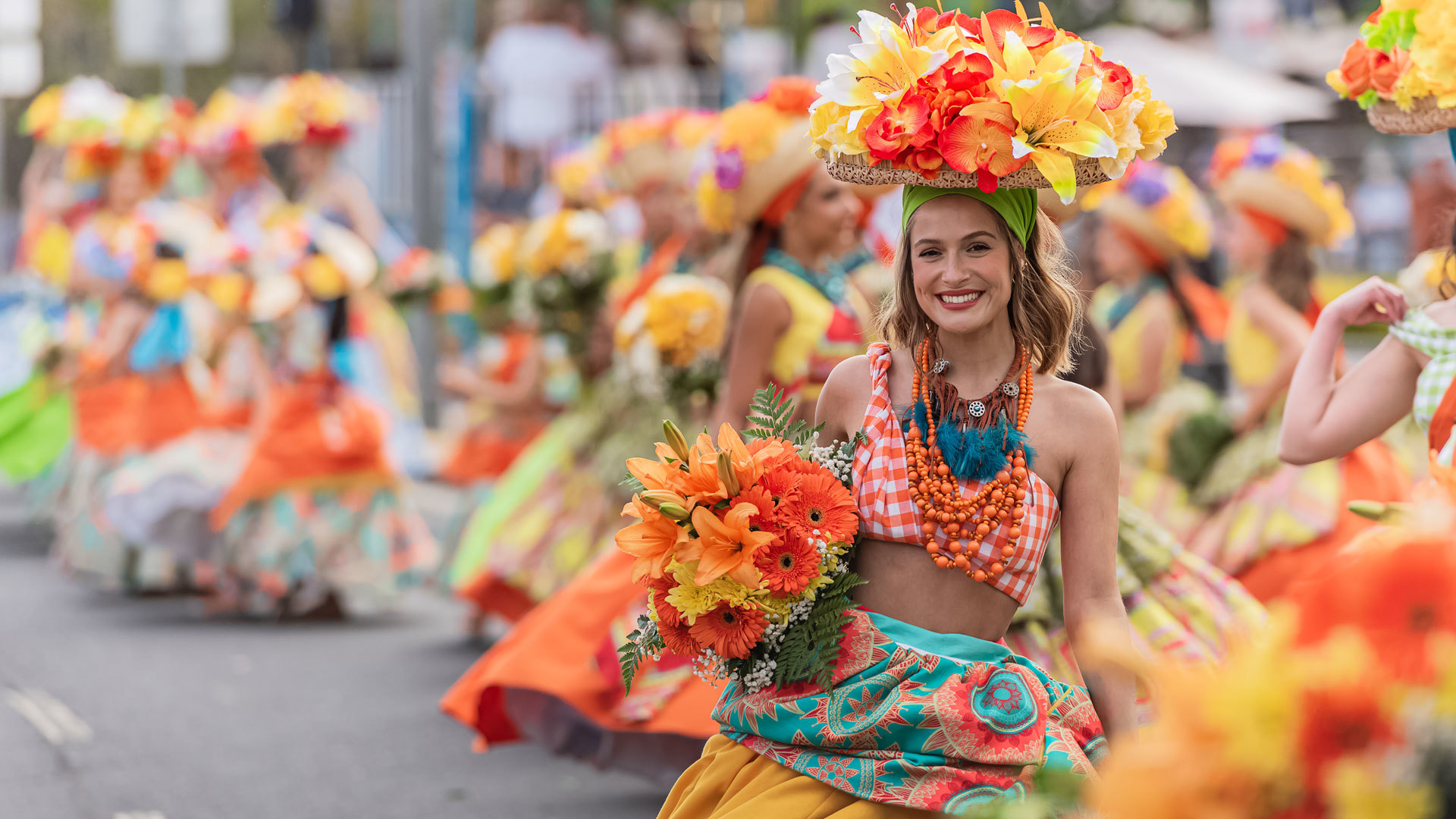
Best for: Flower Festival (Apr), hiking, photography, budget travel (Mar), wildflowers.
Avoid: Expecting reliable mountain conditions in March — check before you go.
May
One of the best months on the island. Warm (20–24°C in Funchal), manageable crowds, excellent hiking conditions. The capacete cloud season begins toward the end of the month — check mountain conditions if summit trails are planned. The sea is warming but still below 22°C. May is genuinely excellent for almost every type of visitor.
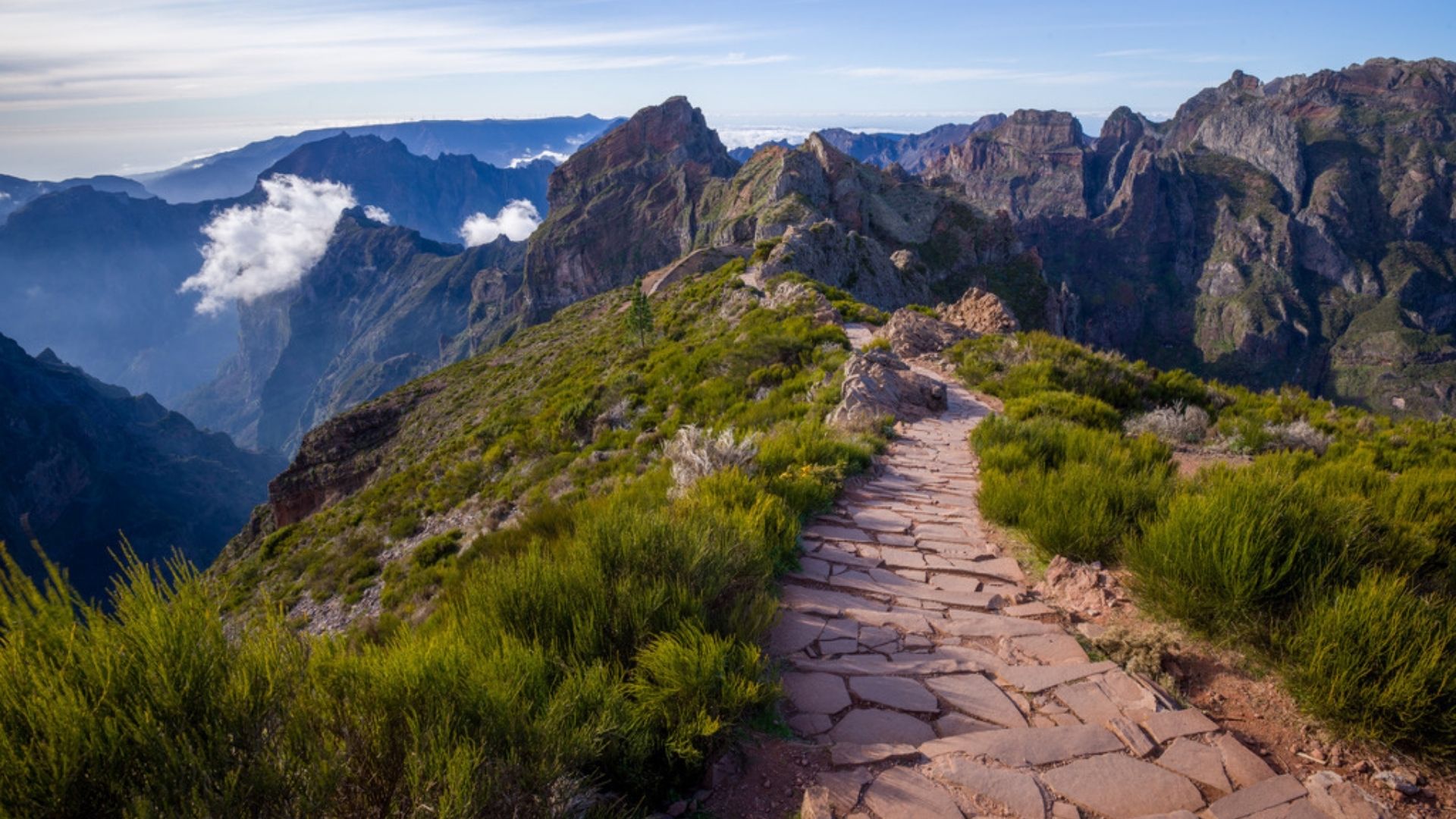
Best for: Hiking, photography, general sightseeing, comfortable temperatures everywhere.
Avoid: Late May summit hikes without checking webcams first.
June
The capacete cloud season is at its peak. Funchal can be warm and sunny while the mountains are in persistent mist. Sea temperature rising (20–22°C). School holidays haven’t started yet in most of Europe — still a relatively quiet month despite the improving weather.
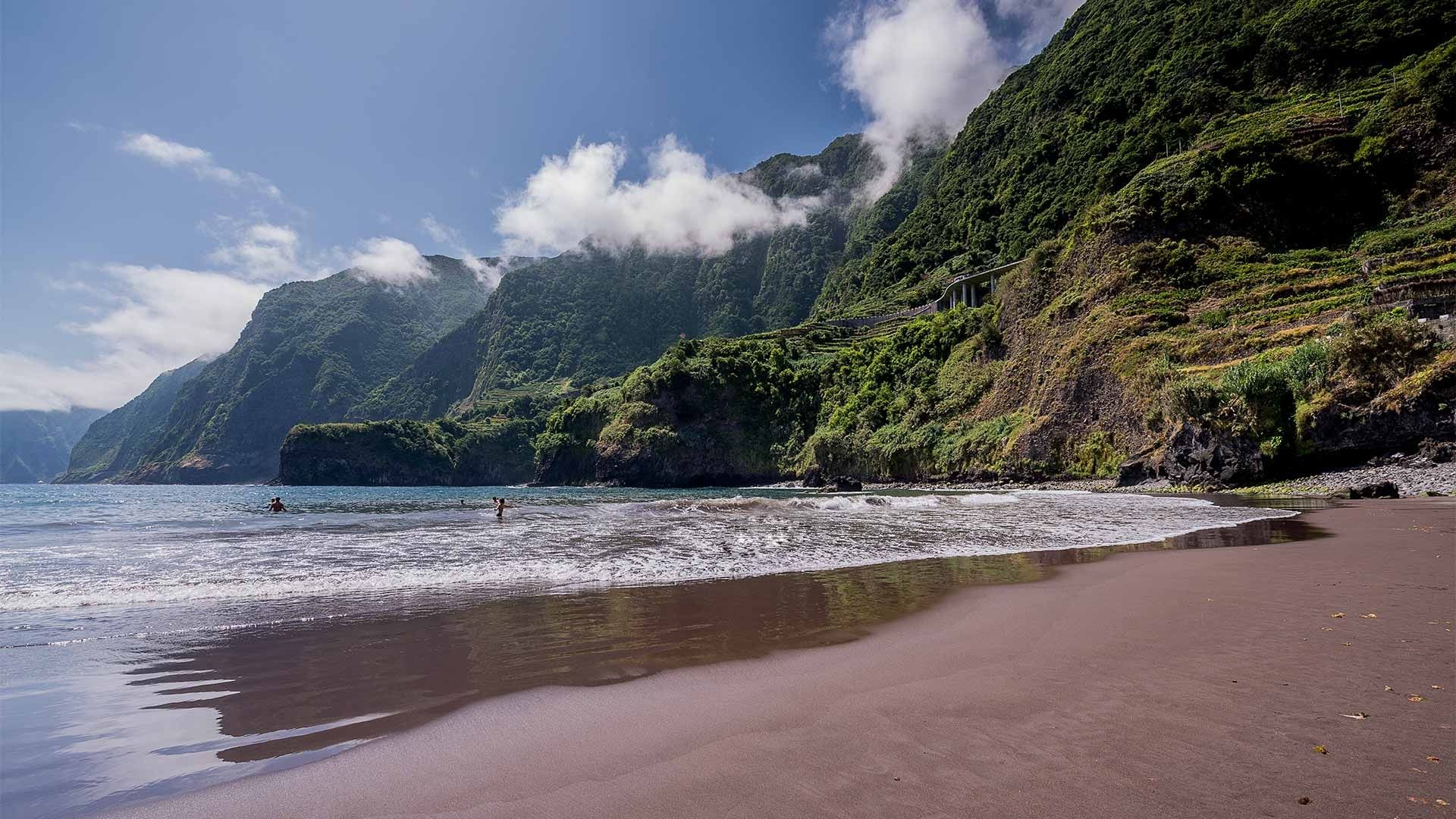
Best for: Beach visits, south coast levadas, Funchal city exploration.
Avoid: Summit trail planning without daily weather checks.
July & August
Peak summer. Funchal: 23–28°C. Crowds at their annual peak, accommodation prices highest in August. Northern trails like Caldeirão Verde (PR9) are notably cooler than southern routes. The sea reaches 22°C or above. Book levada trails in peak hiking season well in advance — SIMplifica quotas fill fast. Go early on any trail; carry 2L of water minimum on anything over 90 minutes.
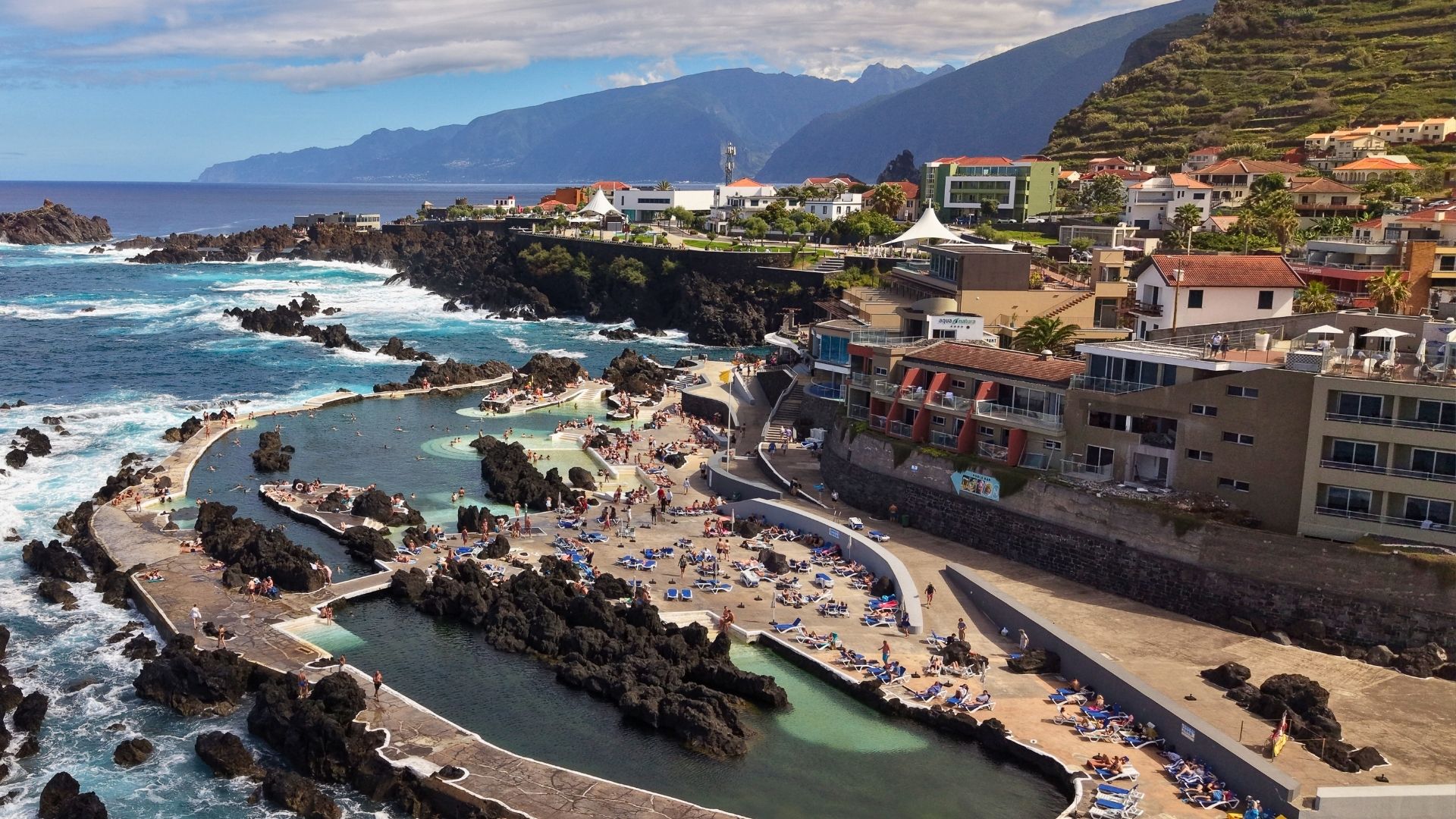
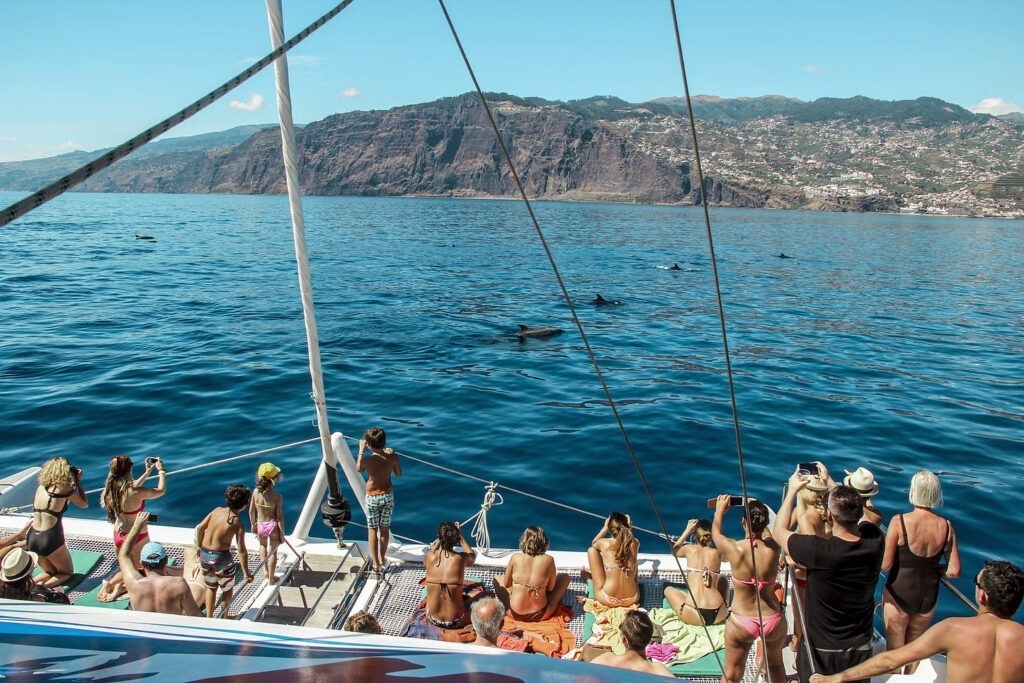
Best for: Sea swimming (warmest water), whale watching (Atlantic spotted dolphins peak), lively Funchal.
Avoid: Last-minute bookings; mid-morning trailhead arrivals; underestimating heat on exposed trails.
September & October
September is the local favourite. Funchal: 22–26°C. Sea temperature at its annual peak (22–24°C). Crowds drop sharply from mid-September as European school holidays end. Harvest season adds a cultural layer — wine and poncha events across the island. The light quality is excellent for photography: warm, golden, and long.
October cools slightly (20–24°C), some rain returns from mid-month, but trails are in excellent condition after the dry summer. The island is quieter, the laurisilva has autumn colours, and the sea remains swimmable for most of the month. Both months suit almost every type of traveller.
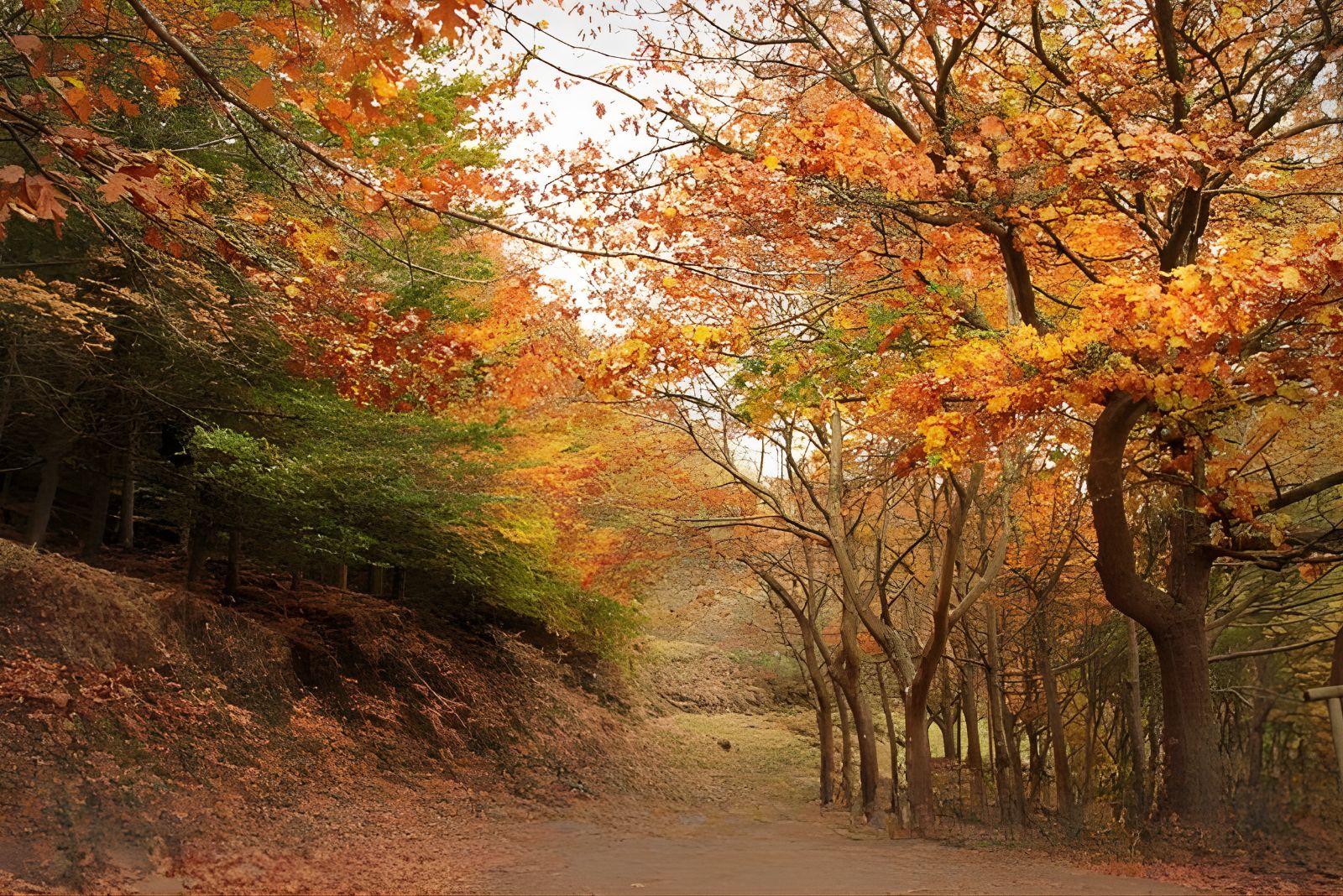
Best for: Everything — hiking, swimming, cultural events, photography, whale watching, families.
Avoid: There is no bad reason to come in September.
November & December
Rain increases from November. Funchal: 15–21°C. South coast days can still be warm and clear, but north coast and mountain conditions become more variable. Whale watching continues — resident species present year-round.
December transforms Funchal for Christmas and New Year. The lights display is one of the most elaborate in Europe, and the New Year’s Eve fireworks over Funchal bay are broadcast internationally. Book well in advance for 29 December–2 January.

Best for: Budget travel (Nov), Christmas events (Dec), quiet south coast days, whale watching.
Avoid: Assuming New Year accommodation is available without advance booking.
Quick Reference — Best Month by Activity
| Activity | Peak months | Avoid |
|---|---|---|
| Levada hiking | Apr–Jun, Sep–Oct | Aug (heat + crowds), Jun summit trails (capacete) |
| Summit trails (PR1) | Apr–May, Sep–Oct | Jun (capacete), Jan–Feb (frost) without preparation |
| Whale watching | Apr–Jun (migratory), year-round (resident) | No season to avoid — morning tours best year-round |
| Beach and swimming | Jul–Sep | Nov–Mar (cooler water) |
| Photography | May, Sep–Oct | August (haze, crowds) |
| Festivals | Feb (Carnival), Apr (Flowers), Dec–Jan (Christmas/NYE) | — |
| Budget travel | Jan–Mar, Nov | Aug, Dec 29–Jan 2 |
| Avoiding crowds | Jan–Mar, Nov | Jul–Aug |
What to Wear — The One Packing Principle That Covers Every Month
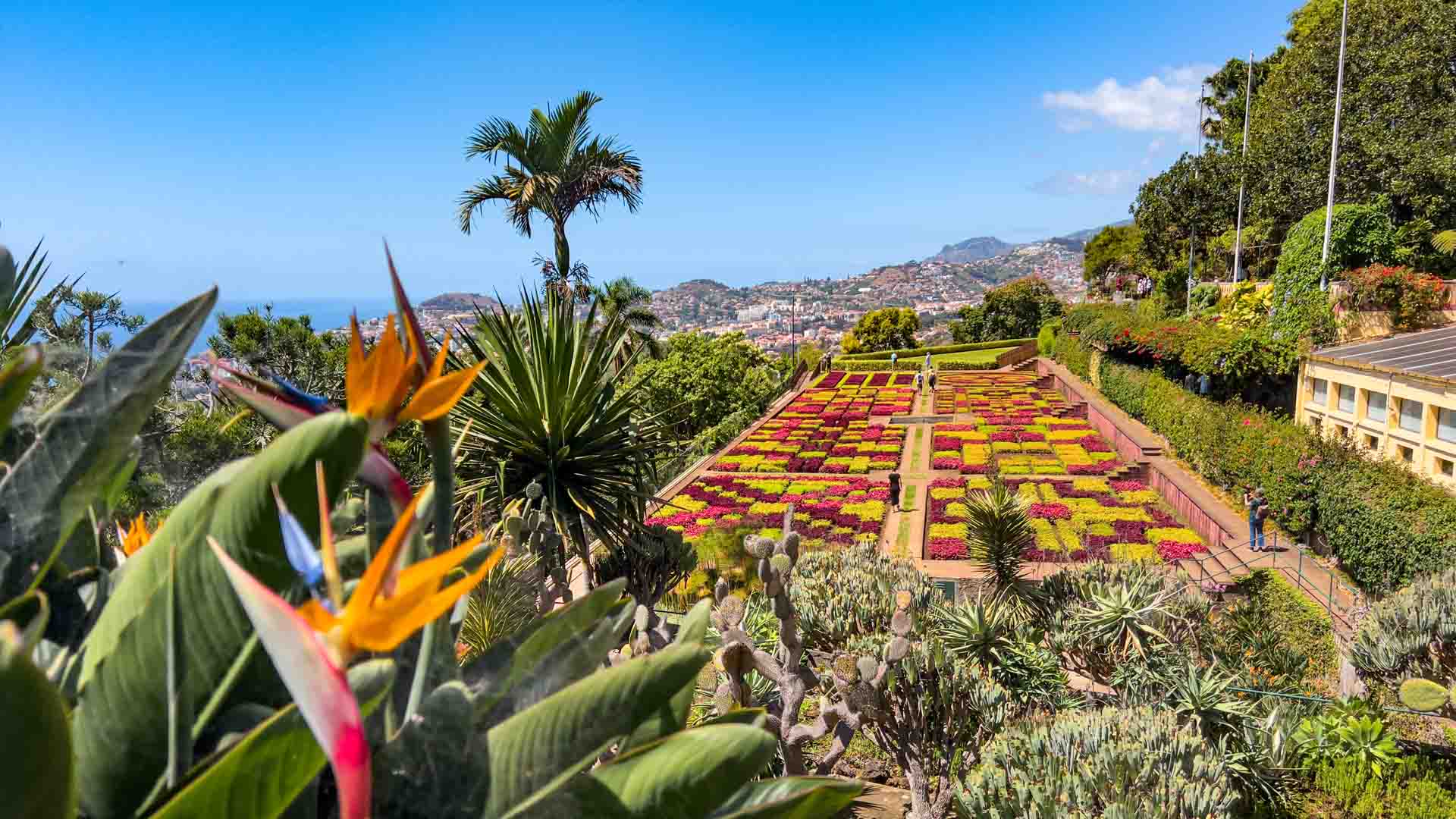
Pack layers regardless of when you visit. Funchal in summer is t-shirt weather; the same day at 1,800m is fleece-and-waterproof territory. Even in July, a windproof layer is useful on a boat or a ridge. In September and October, a light insulated layer for evenings and a waterproof for north coast trails covers most situations.
For a full breakdown of what to bring on trail, see our levada walk packing checklist. For a deeper look at the island’s geography and why the climate works the way it does, see our overview of island location and climate.
Frequently Asked Questions
What is the best month to visit Madeira for good weather?
May, September, and October offer the most reliable combination of sun, mild temperatures, and manageable crowds. September is the local favourite.
Does it rain a lot in Madeira?
It depends where you are. The south coast (Funchal) has relatively low rainfall. The north coast and mountain areas are significantly wetter. Rain is rarely all-day on the south coast — brief showers followed by sun is the more typical pattern.
Is Madeira good in winter?
Yes, for the right activities. Funchal stays mild, the Christmas and New Year events are genuinely impressive, and the island is quieter and more affordable. High-altitude hiking requires full winter kit and weather-checking, but south coast levadas are walkable year-round.
What is the weather like in Madeira in September and October?
September is warm, the sea is at its annual peak temperature, crowds drop from August, and harvest season adds a cultural layer. October cools slightly, some rain returns, but trails are in excellent condition and visitor numbers are low. Both months are excellent.
Why is the weather so different on the north and south of Madeira?
The central mountain range blocks the Atlantic moisture coming from the north, sheltering the south coast. The north coast catches the prevailing winds and rainfall. Drive over the ridge in 10 minutes and you can move between two different weather systems.
What is the capacete cloud over Madeira?
A persistent cloud formation that sits over the island’s peaks from roughly late May into June. It doesn’t necessarily affect the south coast or Funchal but reduces mountain visibility significantly. Check webcams before planning any summit hike during this period.
Can I go to the beach in Madeira in winter?
Madeira doesn’t have extensive natural sand beaches — Porto Santo is the exception. The Funchal lidos and natural sea pools are open year-round and usable on clear winter days, but it’s not a beach holiday in the conventional sense.
Is Madeira warm enough for swimming in the sea?
Sea temperatures are warmest from August through October (typically 22–24°C). From November through May, the water is cooler and more suited to wetsuits. Porto Santo has the warmest and most sheltered swimming conditions across most seasons.
🌤️ Plan Your Trip Around the Weather
Beyond Madeira’s experiences run year-round. Whale watching in April for migratory species, levada walks in October for quiet trails and autumn light, Funchal at Christmas for the fireworks — the island has a reason to visit in every month. Cancellation is generally possible up to 48 hours before for a full refund; always check the specific policy. Most activities are paid on the day — if you’d prefer to pay in advance, get in touch via WhatsApp or email for a payment link. All bookings include free access to an interactive offline map of Madeira.
Browse Experiences →