
Highest Peaks in Madeira
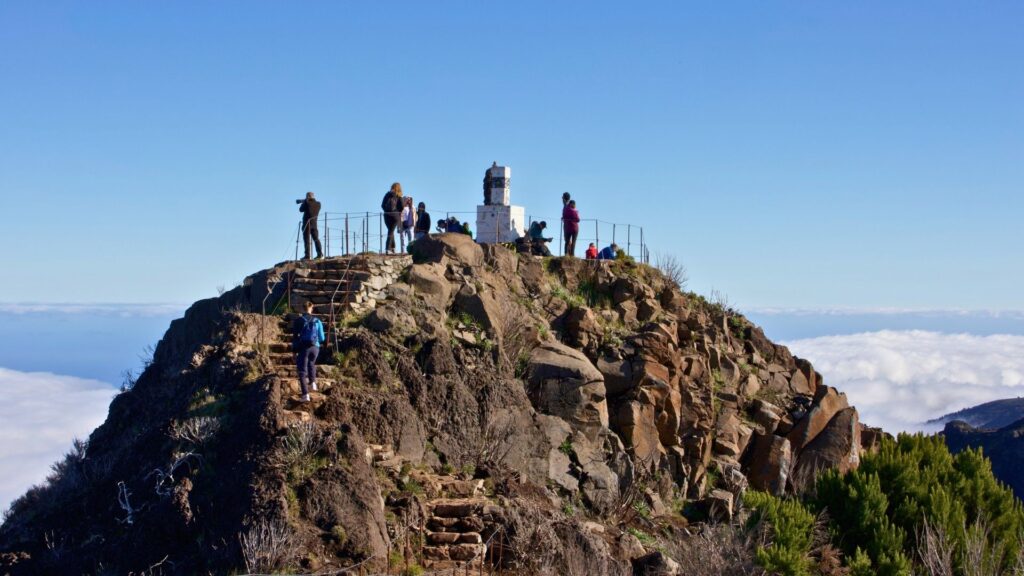
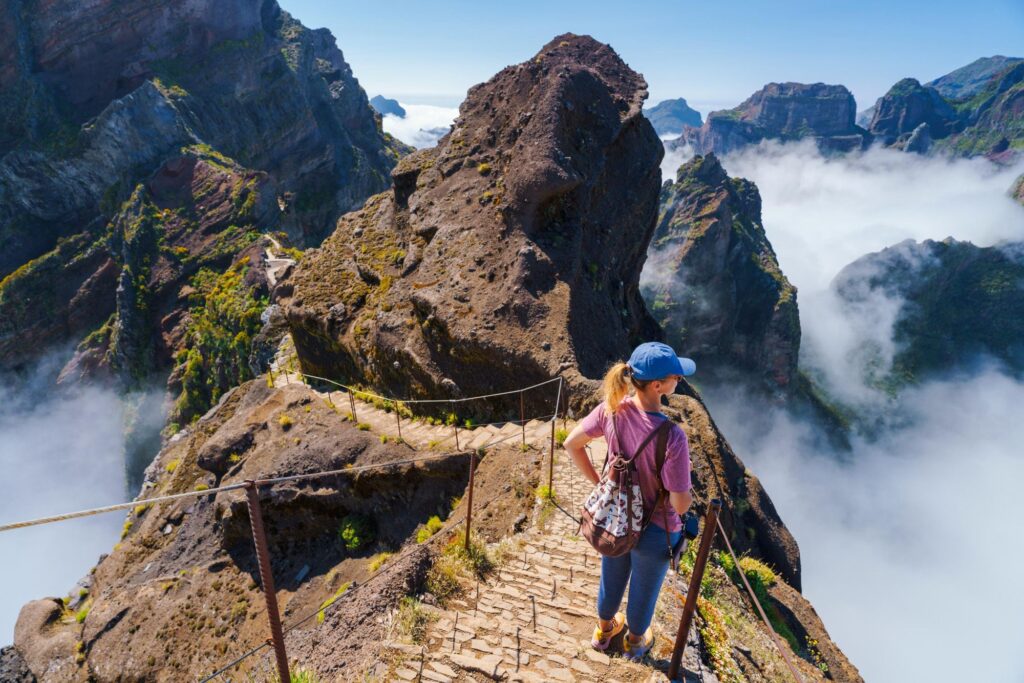
Highest Peaks in Madeira: Pico Ruivo, Pico do Areeiro & Top Viewpoints
Free Levada Walks in Madeira
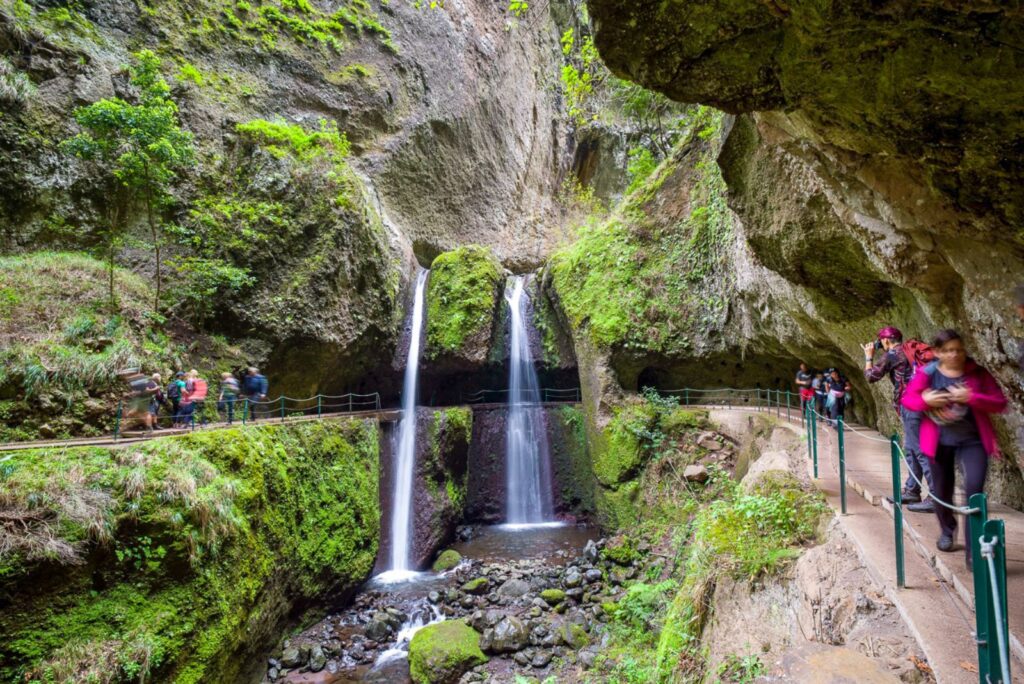
Explore Madeira’s best free levada walks and nature trails—self-guided routes with waterfalls, forests and ocean views, plus practical tips on safety, closures and what to pack.
Madeira Levadas History
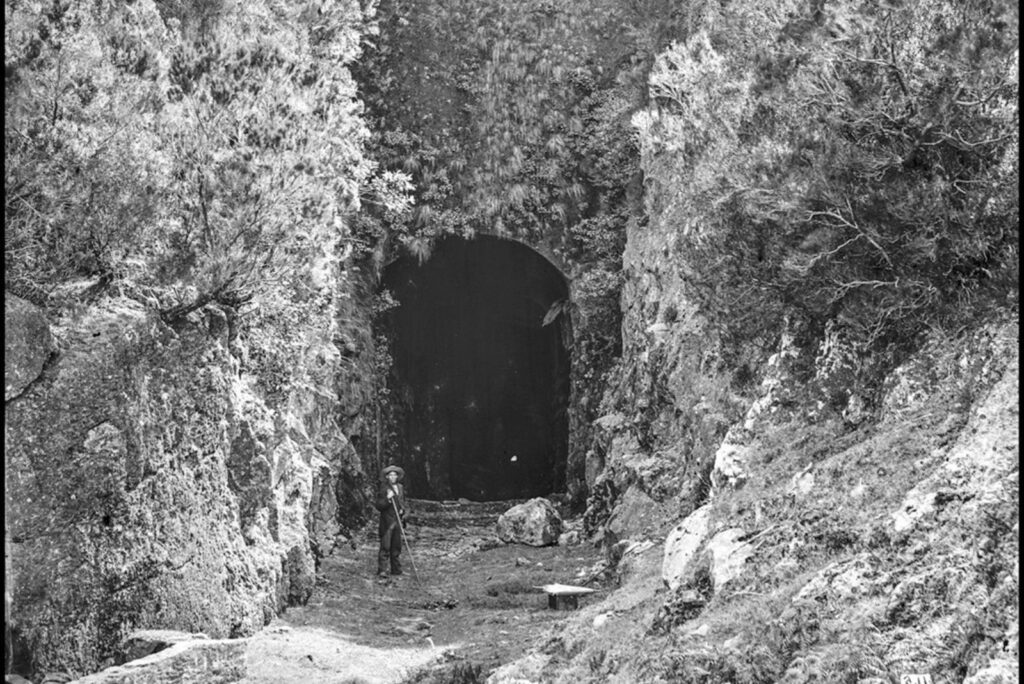
History of Madeira’s Levadas Madeira’s levadas are more than hiking trails — they’re an engineering network that shaped the island’s economy, landscapes, and daily life for centuries. Built to move water from the wetter North to the drier South, levadas started in the 15th century and gradually expanded into one of Madeira’s most remarkable pieces of living heritage. Created to irrigate sugarcane fields (Madeira’s “white gold” era) Later essential for vineyards and the rise of Madeira wine Today: still used for irrigation & hydropower — and loved as scenic walks Levadas often feel like “paths inside the forest” — but they began as water channels built for survival and agriculture. What are Madeira levadas? A levada is a gently sloped water channel (often with a narrow footpath alongside it) designed to transport water across the island. Madeira’s geography creates a natural imbalance: the north is generally wetter, while the south is drier and historically had more farmland and population. The solution was brilliant in its simplicity: capture water where it’s abundant, guide it along contours and cliffs, and deliver it to fields, mills, and later hydroelectric stations. Over time, these channels became “routes” — and those routes became the levada walks we know today. How big is the levada network? It depends on how it’s counted You’ll often see different totals quoted (for example, around 1,400 km in some references, or more than 2,000 km when including extensions and smaller branches). What matters most is this: the system is vast, island-wide, and historically included long tunnels and cliffside sections carved by hand. Built across steep terrain — often along exposed slopes Used for irrigation first, then also for hydropower Turned into world-famous walks thanks to the footpath that runs beside the water Rabaçal tunnel (before 1905) — a glimpse of the hard, manual work behind these routes. 25 Fontes (before 1905) — long before it became one of Madeira’s most iconic walks. Traditional roles — the “Levadeiro” The levadas weren’t just built — they were managed, maintained, and “operated” daily. One of the most traditional roles was the levadeiro, responsible for keeping water flowing, distributing it fairly, and maintaining the channels. “In Madeira, the history of levadas blends with the history of people… the levada network is an astonishing monument…” Raimundo Quintal (quoted source) In many levadas, the allocation of water followed a rotation system — often described as “water turns” — so different landowners could irrigate their plots at specific times, especially important in summer and dry periods. Beyond water distribution, the levadeiro also cleared vegetation, removed debris from retention grids, checked gates and small sluices, and ensured water reached each outlet on time — sometimes walking long distances before sunrise in difficult terrain. Tools, routine, and responsibility Accounts of the levadeiro’s work mention simple but practical tools: a long implement to open and close small gates, keys for private property gates, lanterns for early hours, and even devices to help measure irrigation time. In some areas, a conch shell (“búzio”) was used as a long-range sound signal to announce that a water turn had arrived. Water rights were serious business. Disputes over access existed for generations, which is why timing and fairness were strictly controlled. Even today, while the system is modernized in many places, the idea of water management and shared use remains part of Madeira’s identity. Levadeiros at work — maintaining and shaping the levada network by hand. Construction and maintenance were often done in exposed, high-risk conditions. From irrigation channels to iconic walks What makes levadas so special as hikes is also what made them special as infrastructure: they follow the natural contours of the island. That means steady gradients, constant scenery changes, and paths that take you deep into places roads simply can’t reach. Today, levadas remain part of Madeira’s working landscape — still supporting irrigation and hydropower — while also offering some of Europe’s most unique walks through Laurisilva forest, valleys, tunnels, and cliffside viewpoints. Recent levada scenery (for reference) Modern photos Here are a few modern levada-style scenes to visually connect the history with what you’ll experience on the island today. Levada do Rei — a classic “deep green” Laurisilva-style walk. Levada do Alecrim — forest paths, water channel beside you, and calm scenery. Rabaçal area (25 Fontes) — one of the most famous levada landscapes today, shaped by the same water network built centuries ago.
Best Levada Walks in Madeira (2026)
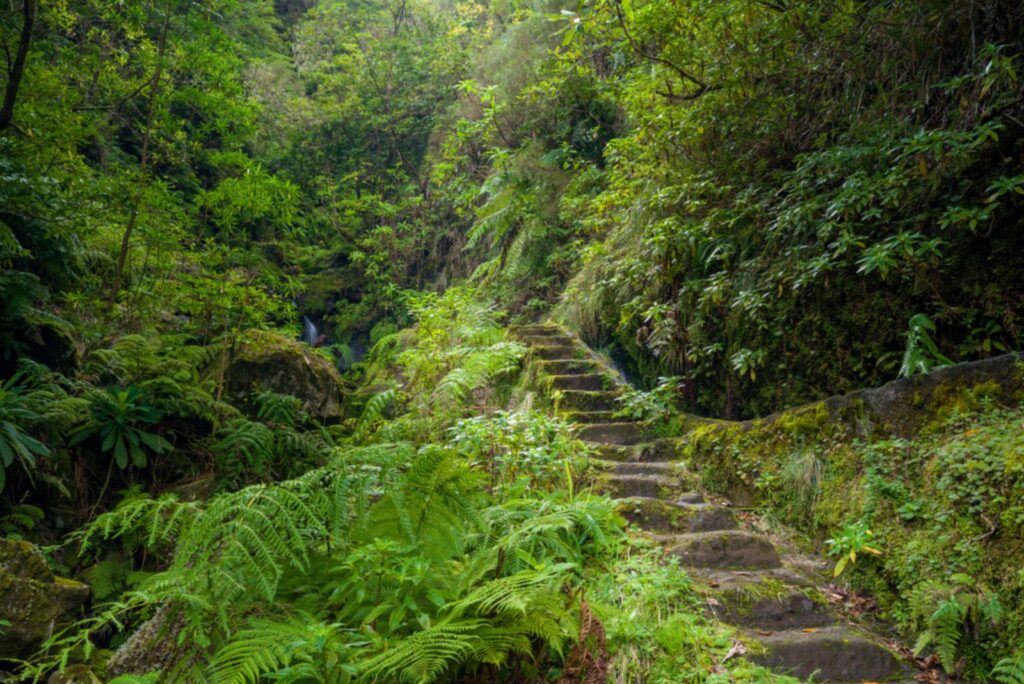
Discover Madeira’s best levada walks and iconic hikes: difficulty, distances, key tips, trail status, fees, and what to know before you go.
Madeira Trail Reservations 2026: How to Pay & Book Your Hiking Slot
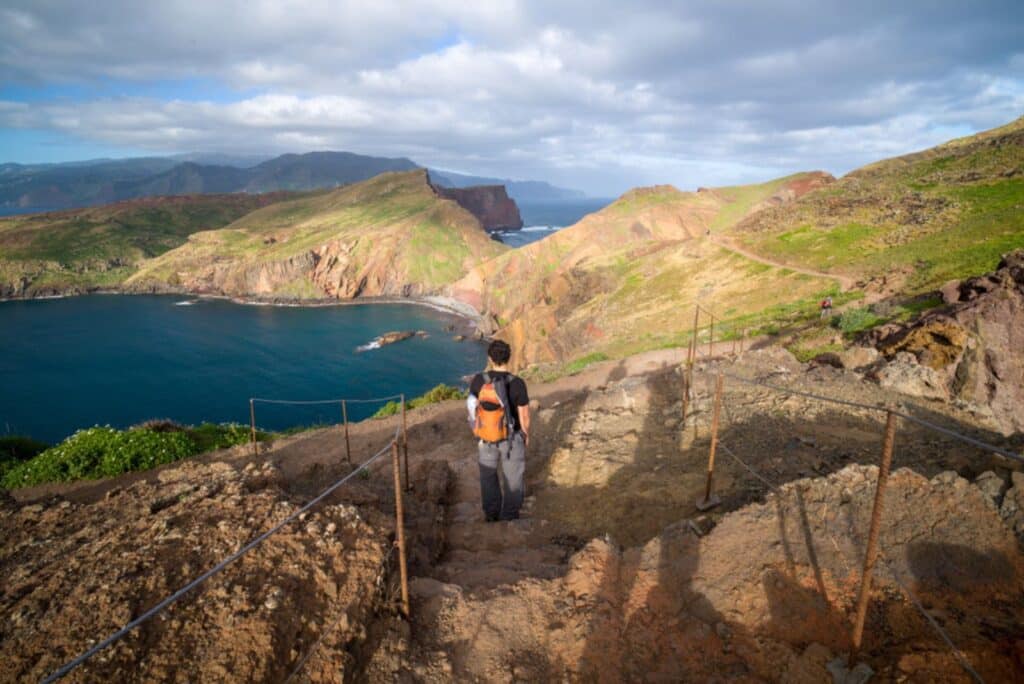
Madeira is introducing a new reservation system for PR walking trails, with mandatory registration, paid access and time-slot bookings. There is no cash payment on-site — all bookings are made online via the official SIMplifica platform. After creating your SIMplifica account, the process is simple: choose your trail, select a slot and confirm payment. This guide explains each step clearly — plus a 60-second video walkthrough to help you understand everything quickly. ⚡ Quick Summary All visitors must book online via SIMplifica (Madeira residents exempt from payment and booking) Fee: €4.50 per person (€10.50 for PR1 after April 2026) Same-day booking possible if slots are available No cash payment on-site — digital confirmation required Guided tours: Certified operators with IFCN protocol handle reservations and may have reduced rates (you don’t book separately) Multi-day passes available — but only save money if you hike 5+ trails (most tourists pay less with individual tickets) Why You Now Need a Reservation for Madeira’s Trails Starting in 2026, all official PR walking trails in Madeira require: Online payment (€4.50 per person) Mandatory time-slot reservations in 30-minute blocks Registration on the SIMplifica platform for every visitor (including children) These rules apply to all visitors, including those on guided hikes. Madeira residents are exempt from both payment and booking requirements. You can still book on the same day (if slots are available) — but popular trails may sell out, especially during peak hours and weekends. Booking with a certified tour operator? If you book a guided hike with a certified operator (RNAVT/RNAAT with IFCN protocol), they handle all reservations and pay reduced rates through their protocol agreements. You don’t need to book separately. Example: PR1 (after reopening) — €7 with protocol vs €10.50 general public. Browse certified guided hikes → How to Pay the Hiking Fee (Step-by-Step) All trail payments and reservations are made through the official SIMplifica portal . Before choosing a trail, you must create your SIMplifica account — this is required for all visitors, including children. Create your account on the SIMplifica portal and log in Select the PR walking trail you want to hike Choose the date of your visit Select an available 30-minute time slot Enter the details of all visitors (mandatory for all ages) Pay the access fee online (€4.50 per person) Receive your digital confirmation and QR code via email Your confirmation may be requested by Nature Wardens at the trail entrance, especially on PR1 and other high-demand routes. 💡 Pro tips: Take a screenshot of your confirmation in case of weak signal at the trailhead Add the QR code to your phone’s home screen for quick access If hiking with a certified guide, they normally handle the reservation process 🌄 Sunrise hiking (PR1 – Pico do Areeiro): If your time slot starts at 8:00 AM or later: No special authorization needed — standard booking applies. If you plan to finish hiking before 8:00 AM: Special authorization may be required. Always confirm the latest guidance on SIMplifica or contact IFCN before planning early starts. Planning your hikes? Use our complete guide to choose the right trails, check weather, and prepare safely: Madeira Levada Walks Guide → Most PR trails are easiest to reach by car. Rent a car in Madeira (no deposit & full insurance) → View options What Changes in 2026? The Regional Government and the IFCN confirmed several updates: Standard fee increases to €4.50 for all visitors (general public) PR1 Pico do Areeiro → Pico Ruivo will have a higher price (€10.50) after reopening in April 2026 Reservations become mandatory for every PR trail Slots are limited and allocated in 30-minute time windows to regulate daily hiking capacity Multi-day passes (1-day, 3-day and 7-day options) are now available — but individual tickets are cheaper for most tourists These changes aim to protect sensitive areas, improve trail safety and reduce overcrowding during peak hours. Understanding Multi-Day Passes (And When They Actually Save Money) SIMplifica offers multi-day passes for visitors planning multiple hikes — but they don’t always save you money. For most tourists doing 2–4 trails, buying individual tickets (€4.50 each) is cheaper. Pass Type Price Validity Single Trail Ticket €4.50 1 trail only 1-Day Pass €9.00 2+ trails in 1 day 3-Day Pass €22.50 2+ trails in 3 consecutive days 7-Day Pass €52.50 2+ trails in 7 consecutive days ⚠️ Important: Passes Don’t Always Save Money Multi-day passes only save money if you hike many trails. For most tourists (2–4 hikes), individual tickets are cheaper. Calculate carefully before buying a pass. Does a Pass Save You Money? (Real Math) Here’s the real cost comparison to help you decide: 1-Day Pass (€9.00): 2 trails in 1 day: €9.00 (pass) vs €9.00 (individual) = No savings 3 trails in 1 day: €9.00 (pass) vs €13.50 (individual) = Save €4.50 ✅ Best for: Doing 2 short trails in one day (e.g., PR11 + PR18) 3-Day Pass (€22.50): 2 trails in 3 days: €22.50 (pass) vs €9.00 (individual) = Lose €13.50 ❌ 3 trails in 3 days: €22.50 (pass) vs €13.50 (individual) = Lose €9.00 ❌ 4 trails in 3 days: €22.50 (pass) vs €18.00 (individual) = Lose €4.50 ❌ 5 trails in 3 days: €22.50 (pass) vs €22.50 (individual) = Breakeven (no savings) 6 trails in 3 days: €22.50 (pass) vs €27.00 (individual) = Save €4.50 ✅ 7+ trails in 3 days: Savings increase (€9.00+ saved) Best for: Hardcore hikers doing 6+ trails in 3 days 7-Day Pass (€52.50): 5 trails in 7 days: €52.50 (pass) vs €22.50 (individual) = Lose €30.00 ❌ 8 trails in 7 days: €52.50 (pass) vs €36.00 (individual) = Lose €16.50 ❌ 10 trails in 7 days: €52.50 (pass) vs €45.00 (individual) = Lose €7.50 ❌ 12 trails in 7 days: €52.50 (pass) vs €54.00 (individual) = Save €1.50 ✅ 15+ trails in 7 days: Savings increase (€15.00+ saved) Best for: Extreme hikers doing 12+ trails in one week 💡 Our Recommendation For most tourists (2–4 trails): Buy individual tickets (€4.50 each) — it’s
Pico do Areeiro Pico Ruivo reopening April 2026
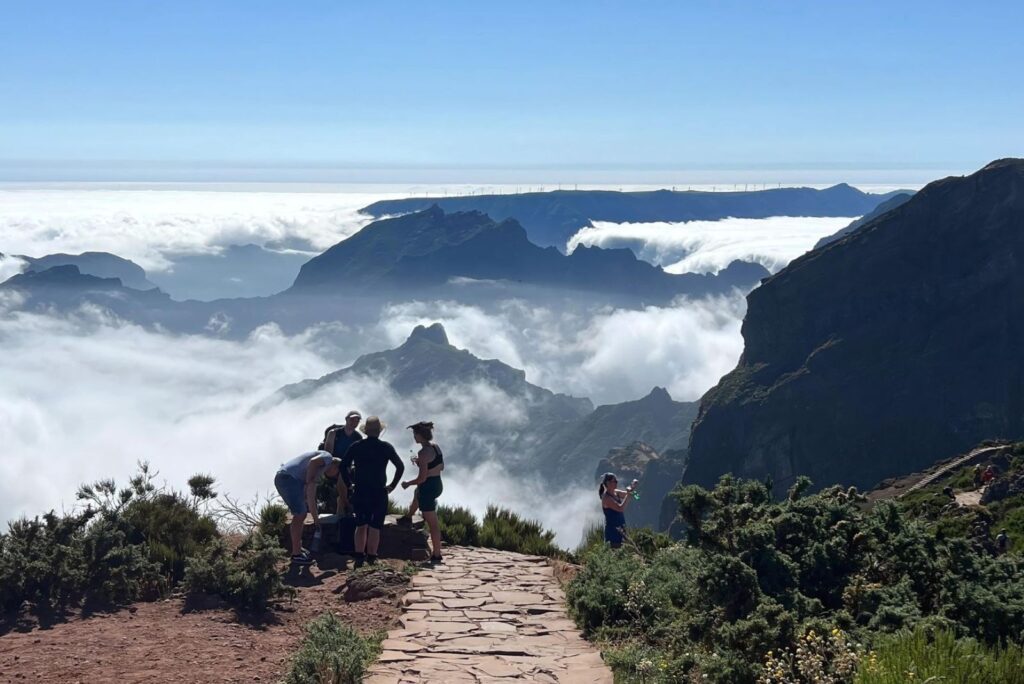
From January, all 42 official Madeira trails will require mandatory registration and paid access. The Pico do Areeiro–Pico Ruivo trail reopens in April and will be the most expensive, with visitor numbers controlled through 30-minute time slots and on-site enforcement.
Top 4 Family-Friendly Levada Walks in Madeira
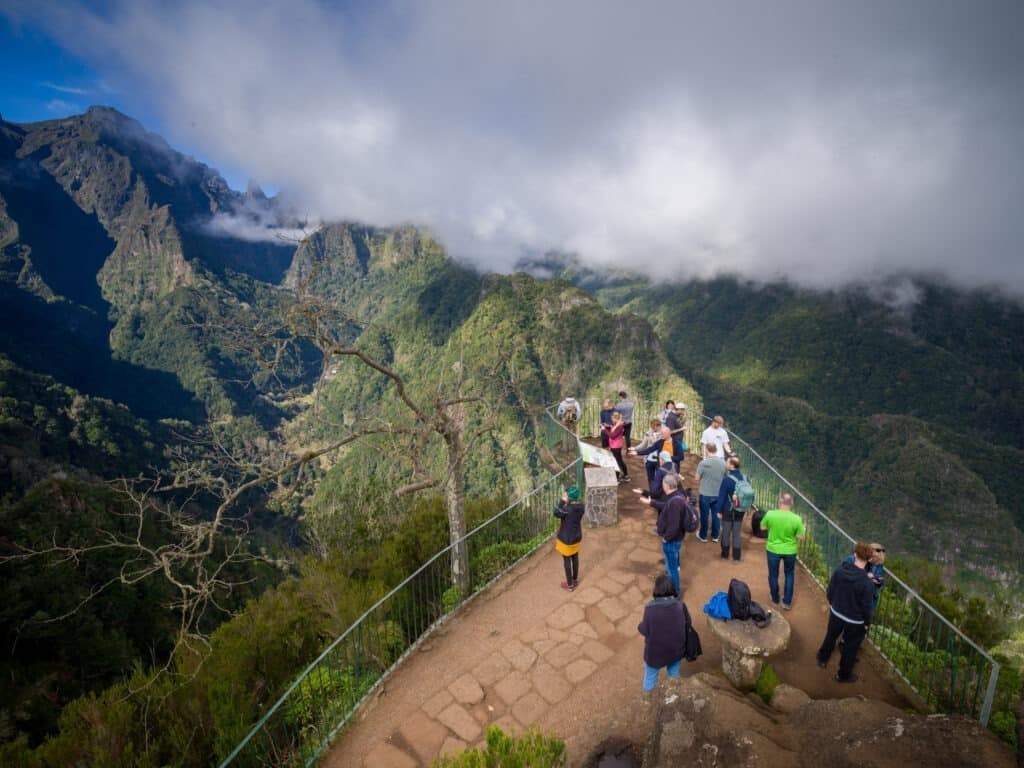
Discover safe, scenic, and easy walking trails in Madeira that are perfect for families and beginners. Nature, fun, and fresh air!