
A practical guide to renting a car in Madeira: requirements, real costs, insurance explained, driving tips, parking, and how to choose the right vehicle for steep mountain roads.
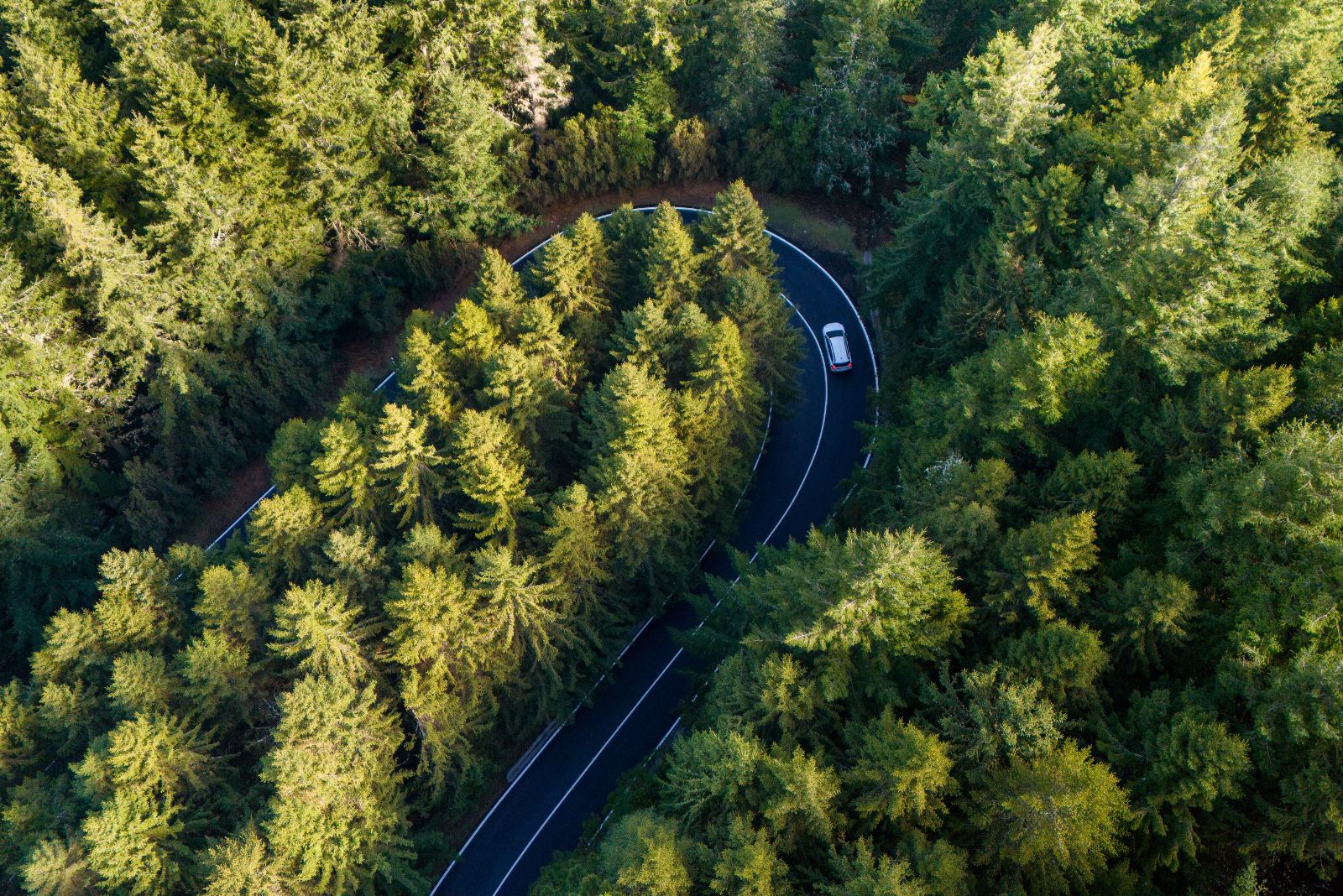
With your own car you can arrive at levada walks before the crowds, decide last minute to drive to the opposite coast if the weather changes, and reach small villages and miradouros that buses simply don’t serve.
This guide walks you through everything you actually need to know: requirements, deposits, insurance, what driving is really like, how airport delivery works, and what to do if something goes wrong.
If you already know you’ll want your own car and just need a reliable place to book, you can check live availability and prices with Beyond Madeira here.
Why rent a car in Madeira?
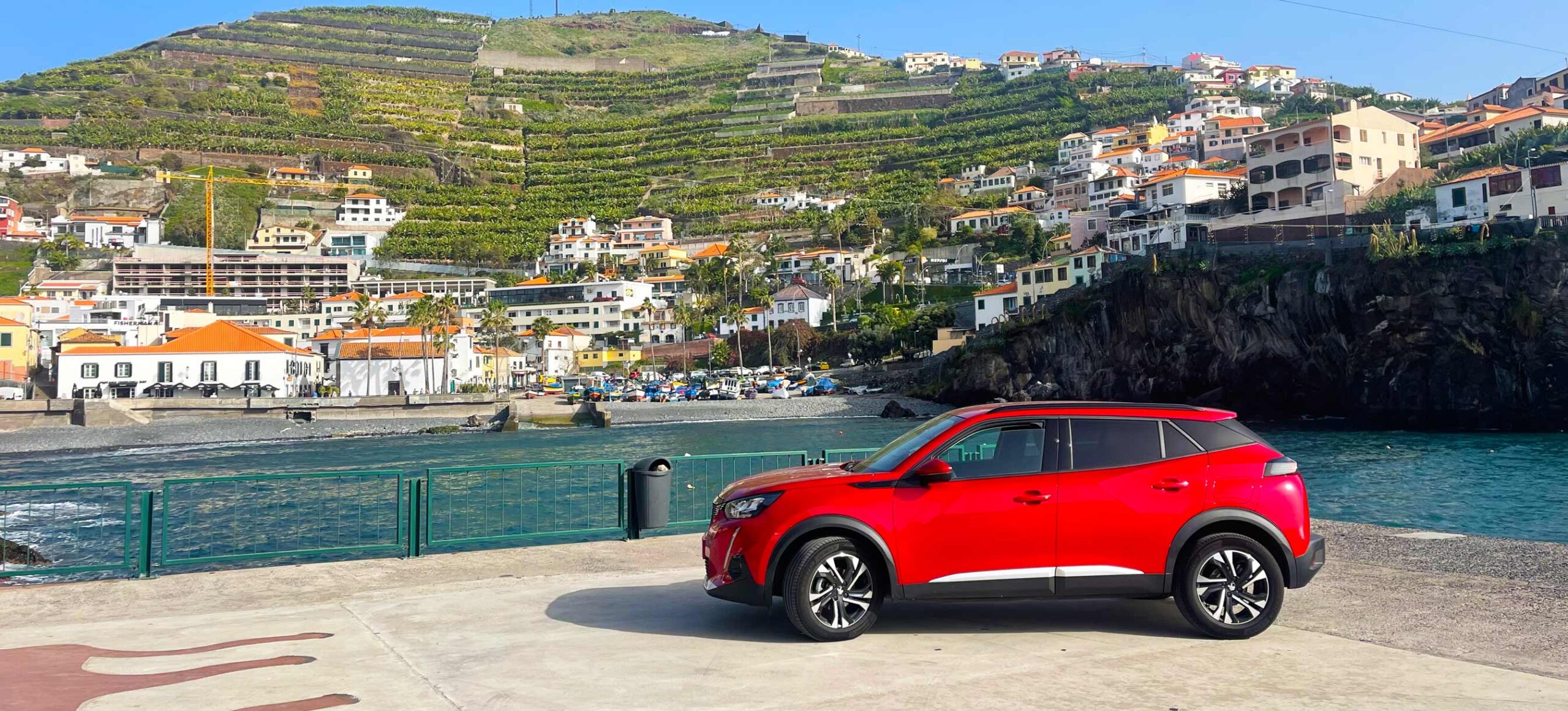
Madeira rewards curiosity. Buses and organised tours work well for the big highlights, but the real charm is often in the “in between”: a café packed with locals, an unmarked viewpoint, or a small side road that suddenly opens to a huge valley view.
The island’s modern road network – especially the tunnels – means you can cross from the sunny south to the dramatic north in under 30 minutes. In practice, this turns Madeira into a natural road-trip destination.
What you gain with a car
- Freedom with the weather: clouds on one coast often mean sun on the other.
- Arrive early: get to Pico do Arieiro or popular levadas before the car parks fill.
- Hidden spots: reach small restaurants, miradouros and villages away from the main routes.
- Your own rhythm: stay 10 minutes or 2 hours in each place – no timetable pressure.
If reading this you’re already thinking “yes, I’d like that flexibility”, you can see what cars are available for your dates here and then come back to the guide to fine-tune the details.
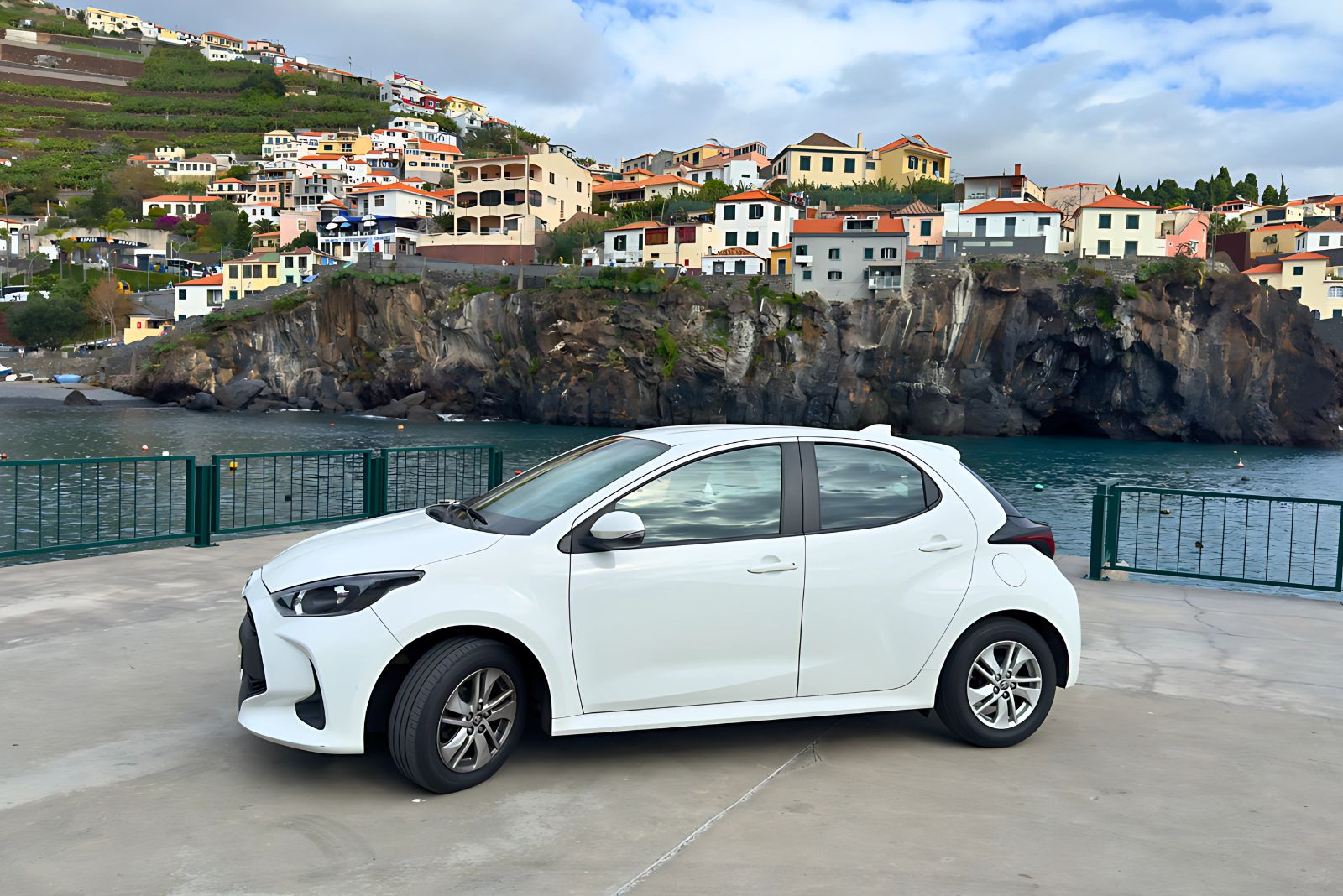
Requirements: age, licence and documents
Age & deposit rules (simple version)
In Portugal you can legally drive from 18 years old. For rentals through Beyond Madeira, the rules are:
| Age | Deposit | What it means in practice |
|---|---|---|
| 18–20 years | €600 | Rental is possible, but you’ll need a refundable €600 deposit at pick-up. |
| 21+ years | €0 | No deposit required. You can rent without credit card block or upfront security. |
So if you’re 21 or older, you can book cars from around €25/day with no deposit, no cash down and no credit card hold. This is one of the main reasons many travellers prefer to rent through local partners instead of big international brands.
Documents you’ll need
- Valid physical driving licence (photocopies or phone photos are not accepted).
- Passport or national ID card.
- Payment method – most of our partners accept card or cash on arrival.
International visitors
EU, UK and US licences in Latin script are accepted. If your licence uses a different alphabet (for example Cyrillic, Arabic, Chinese or Japanese), you’ll need an International Driving Permit (IDP). Even if it’s not mandatory, we recommend an IDP for non-EU visitors – it makes police checks and insurance situations smoother.
Insurance in Madeira: how it really works
Insurance is usually the most confusing part of any rental. Here’s the short version, without the jargon.
Your main options
| Option | Deposit blocked | Extra per day | If there’s damage |
|---|---|---|---|
| Basic cover (CDW) | €800–€1,500 | Included in price | You pay an excess (often €600–€1,200) depending on the damage. |
| Full cover (zero excess) | €0 | About €15–25/day | The rental company absorbs the damage, except for a few exclusions. |
Exclusions usually include tyres and wheels, lost keys, interior damage, undercarriage damage and anything involving alcohol or drugs.
Usually covered
- Collision damage to the car.
- Third-party liability (damage to other vehicles or property).
- Theft protection.
Usually not covered
- Tyres and wheels – rockfall and tight roads make punctures fairly common.
- Lost, broken or wet keys.
- Interior damage or heavy stains.
- Undercarriage damage from grounding the car.
- Any incident where the driver is under the influence of alcohol or drugs.
Which insurance should you choose?
If you’re a confident driver and comfortable with narrow streets and hill starts, basic cover with a deposit is often enough. If you don’t want to think about it at all, or don’t like the idea of a large card block, full cover gives peace of mind.
When you request a quote through Beyond Madeira we always show you clearly what’s included, what the excess is, and what full cover would cost per day – so you can decide calmly instead of under pressure at the desk.
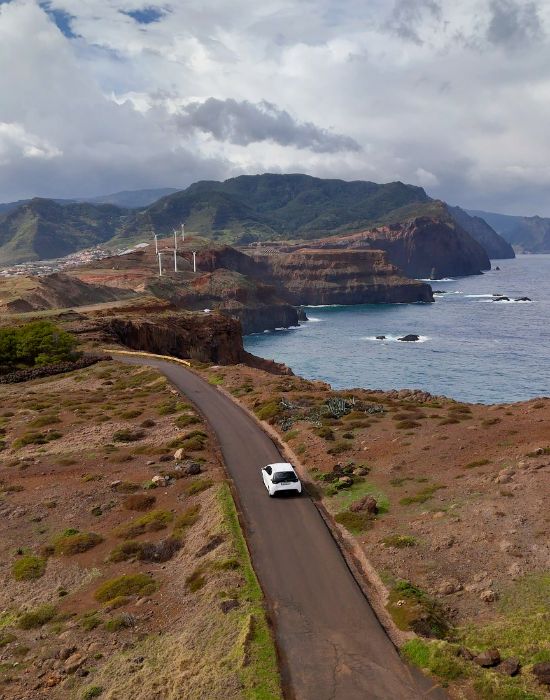
What is driving in Madeira actually like?
Madeira is a volcanic island, so even short distances can involve big elevation changes. It’s not “difficult” if you drive calmly and stay within your comfort zone – but it’s definitely more like a mountain destination than a flat coastal road.
Highways & tunnels
The main roads are surprisingly good:
- Modern highways with clear signage.
- Dozens of free tunnels (no tolls on the island).
- Speed limits usually 80–100 km/h outside towns.
- Well-lit tunnels – but always drive with lights on.
Mountain & village roads
Once you leave the main roads, expect:
- Steep gradients (some stretches close to 20%).
- Sharp hairpin bends with limited visibility.
- Narrow village streets with parked cars on both sides.
- Occasional single-lane passes with passing bays.
Key technique: use low gears for going up and down. Let the engine help you – don’t ride the brakes for long descents.
Speed limits
- 50 km/h inside towns and villages.
- 80–100 km/h on main roads (watch the signs).
- Variable limits inside tunnels – they can change quickly.
- Start early for Pico do Arieiro and popular levadas – car parks fill by mid-morning.
- Download offline maps; signal can be weak in some valleys.
- Look for convex mirrors at blind corners – they’re there to help you.
- If a local is close behind you, pull over when safe and let them pass.
- Weather changes fast: fog in the mountains, sun on the coast. Drive accordingly.
- Fuel up before long plateau or forest drives – there are no stations in those areas.
Quick checklist: For a shorter, practical version focused on first-time drivers, see Renting a Car in Madeira: 12 Practical Tips for 2026 .
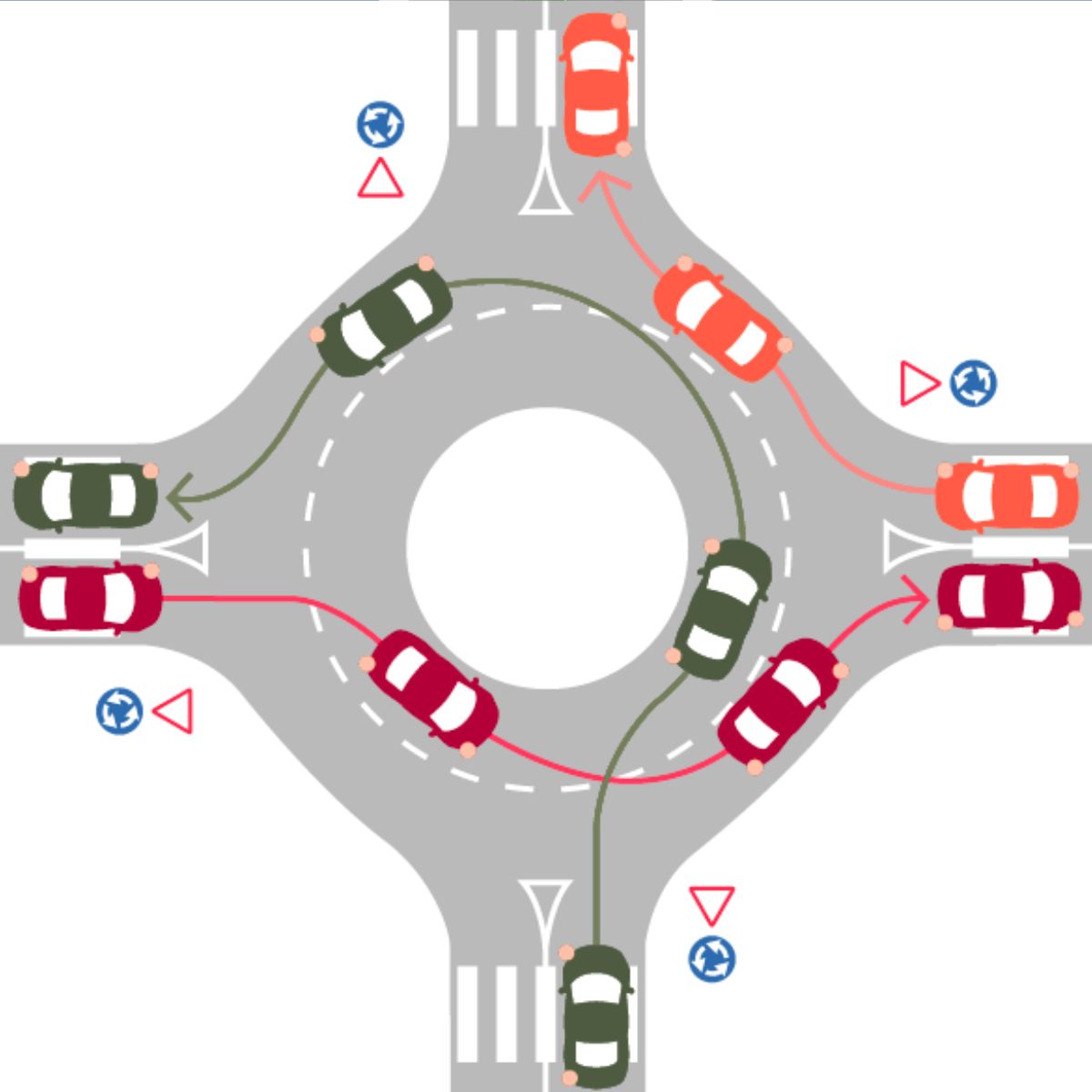
Is it safe?
Yes – as long as you respect the conditions. Roads are generally well-maintained, and local drivers are used to sharing space with visitors. The main risks are overconfidence, distraction with the views, and using the wrong fuel.
Emergency number in Portugal: 112 (police, ambulance, fire).
Parking in Madeira
Parking in Funchal
The most “stressful” parking is in Funchal, especially around the centre and old town.
Paid during business hours (normally Mon–Fri 09:00–19:00, Sat 09:00–13:00).
- Pay at the machines (often coins only).
- Place the ticket on the dashboard.
- Check if the bay is mixed or residents-only.
Usually the easiest option in central Funchal.
- Expect around €10–15 per 24 hours.
- Some close overnight – always check opening hours.
- Safer and less stressful than circling the streets.
Important if you’re staying in Funchal.
- Ask if parking is guaranteed or “subject to availability”.
- Many hotels charge €5–10 per night.
- If there is no parking, you’ll rely on public car parks nearby.
Parking around the island
Outside Funchal things are usually much easier:
- Most viewpoints and attractions have free car parks.
- Levada trailheads often have small car parks (10–30 spaces) that fill mid-morning on busy days.
- Roadside parking is fine if you’re fully off the road and not blocking passing bays.
Which car should you rent?
The car you choose has a big impact on how relaxed you feel on the road. Power, gearbox and space all matter more here than in a flat city break.
Main categories that work well in Madeira
Examples: Mitsubishi Space Star, Fiat Panda
Capacity: up to 4 adults + 1–2 large bags.
- Best for: solo travellers or couples with light luggage.
- Pros: cheapest option, easy to park, low fuel consumption.
- Cons: can feel underpowered on steep climbs when fully loaded.
Through our partners we often have economy cars from around €25/day with no deposit for drivers 21+.
Examples: Seat Ibiza Turbo, VW Polo TSI
Capacity: up to 4 adults + 2–3 large bags.
- Best for: 2–4 people doing a lot of mountain and coastal driving.
- Pros: extra power for steep hills, more comfortable on longer routes.
- Cons: slightly higher daily rate, but usually worth it for the comfort.
Examples: automatic versions of the compact and turbo models above.
Capacity: similar to their manual equivalents.
- Best for: anyone who dislikes hill starts or is not used to manual gearboxes.
- Pros: no stalling on steep inclines, easier in traffic and on narrow mountain roads.
- Cons: fewer units available and higher price, especially in peak season.
If you need an automatic, it’s wise to book as early as possible here – they’re often the first to sell out for summer and Christmas.
Do you need a 4×4?
In almost all cases, no. All the usual tourist spots – Fanal Forest, Paul da Serra plateau, Ponta de São Lourenço, levada walks – are reached via paved roads. A regular car with decent power is more than enough.
Real costs: daily rates and fuel in 2026
What you can expect to pay
Prices move with season and demand, but these ranges are a good reference:
July–August, Christmas & New Year
- Economy manual: €30–50/day
- Turbo compact: €45–65/day
- Automatic: €55–85/day
Book 2–3 months ahead if you want an automatic or specific model.
November–March (excluding festive holidays)
- Economy manual: €20–35/day
- Turbo compact: €35–50/day
- Automatic: €45–65/day
More last-minute availability and better offers are common.
If you’re comparing options and want everything clearly explained, you can send us your dates here. We’ll reply with 2–3 concrete proposals from different local partners, so you see the real total for your trip, not just the “from” price.
Fuel prices (early 2026)
Fuel in Madeira is usually a bit cheaper than mainland Portugal. As a rough guide:
- Unleaded 95 (“Gasolina 95”): around €1.58 per litre
- Diesel (“Gasóleo”): around €1.47 per litre
Where you’ll find petrol stations
- Plenty of stations around Funchal, Câmara de Lobos, Ribeira Brava, São Vicente, Santana and Machico.
- No petrol stations on Paul da Serra plateau, in Fanal Forest or along remote levada access roads.
- Most stations open roughly 07:00–22:00; there are a few 24-hour options near Funchal.
Airport delivery and pick-up: is it worth it?
Most travellers land, collect their car at the airport and start exploring immediately. With Beyond Madeira, airport delivery and return at FNC costs €40 total (€20 pick-up + €20 drop-off).
Here’s how that compares with other options for two people going to Funchal:
| Option | Cost (2 people) | What it looks like in real life |
|---|---|---|
| Airport car delivery | €40 total | You walk out of arrivals, meet the agent and leave straight away with your car. |
| Taxi to Funchal | ~€30 (one way) | Then you still need to pick up a rental from the city on another day. |
| Uber/Bolt | €20–22 (one way) | Price can change with demand, and again you’ll collect the car later. |
| Aerobus | €15 total (€7.50 pp) | Cheapest, but slower and with fixed stops and schedule. |
For most multi-day trips, airport delivery is the most convenient: you’re already paying something to leave the airport, so you might as well start your road trip straight away rather than paying for transfers and then organising a car later. When you book your car through us, you can simply select “airport pick-up and drop-off” during the quote process.
Other pick-up options
Good if you spend the first days just in Funchal.
- Free collection during opening hours.
- Explore Funchal on foot first; collect the car later.
- Useful if you only need it for 2–3 days.
Ideal if you don’t want to think about logistics.
- Car delivered directly to your accommodation.
- Free delivery in the Funchal area.
- Perfect if you’re staying outside the centre.
Best if you want freedom from day one.
- €40 total (pick-up + drop-off).
- No need for separate airport transfers.
- Especially good for 4–7 day road trips.
What happens at pick-up
- Documents are checked: licence + ID/passport + payment.
- Walk-around inspection: existing damage is shown and noted (take photos as well).
- Insurance is confirmed: you sign the contract with the option you chose.
- Payment is made: usually card or cash on collection.
- Fuel policy: almost always “full-to-full” – return with a full tank.
Common mistakes to avoid
A few simple habits can save you money and stress:
Always take photos or a short video at pick-up and drop-off. Narrow roads and branches can cause small scratches that may already be there – having proof protects you.
Double-check the fuel cap and pump. “Gasóleo” is diesel, “Gasolina 95” is petrol. Never guess – wrong fuel is an expensive fix and not covered.
Look for convex mirrors at blind corners, especially on village and mountain roads. They help you see oncoming cars before turning.
Some old coastal stretches are closed due to rockfall risk. Insurance doesn’t cover damage on restricted roads – if a barrier or sign says closed, respect it.
Madeira is safe, but don’t tempt anyone. Keep bags out of sight or take valuables with you, especially at remote levada car parks.
Automatics and turbo models are the first to sell out. If you’re travelling in July–August or over New Year, book your car as early as you book your flights.
What if something goes wrong?
Nobody likes problems on holiday, but it’s good to know what to do. Here’s a calm checklist for the most common situations.
Breakdown
- Pull over safely, put your hazards on and keep as far off the road as you can.
- Check if it’s something simple you can handle (for example, low tyre pressure or a flat).
- Call the rental company – the number is on your contract.
- If you booked through Beyond Madeira, you can also message us on WhatsApp at +351 939 566 415 and we’ll help coordinate.
- Stay with the vehicle unless it’s unsafe – for example, in a dangerous bend or rockfall area.
Accident
- Check if anyone is hurt and call 112 if medical help is needed.
- Make the area safe: hazard lights on, warning triangle if you have it and it’s safe to place.
- Take photos of everything: both vehicles, number plates, the road and surroundings.
- Exchange details with the other driver (name, licence, insurance, contact).
- Call the rental company immediately and follow their instructions.
- Don’t sign documents you don’t understand or that say the accident was your fault if you’re not sure.
Flat tyre
- Stop in a safe spot away from blind bends.
- If you know how to change a tyre and feel safe, use the spare.
- Otherwise call the rental company for assistance.
- Repairs at local tyre shops are usually around €5.
- Keep the receipt – Beyond Madeira refunds this when you show it together with your rental details.
Most scenic drives in Madeira
Once you have the keys, where should you go? These are some of the routes our guests talk about the most:
A beautiful climb up to 1,818 m with huge views over the mountains. Popular for sunrise; arrive early and bring warm layers.
“Valley of the Nuns” – a deep valley surrounded by cliffs. Combine viewpoints above the valley with a stop in the village.
Cross the flat plateau and then descend in big bends towards Ribeira Brava or the north coast, with the ocean in front of you.
Drive through old laurel trees that look magical in the mist. The road is paved but narrow – go slowly and enjoy the atmosphere.
A classic: waterfalls dropping onto the roadside, cliffs, small villages and natural pools at Porto Moniz to swim at the end.
Easier driving, but a very different landscape: dry, volcanic and exposed, with a great coastal hike at the end of the road.
FAQ: quick answers
Ready to plan your Madeira road trip?
Tell us your dates and what kind of car you feel comfortable driving. We’ll compare offers from trusted local partners and come back with clear, honest options – including cars from around €25/day with no deposit for drivers 21+.
Get your Madeira car rental quote → Or browse tours & experiencesPrefer to talk to a human first? You can also message us on WhatsApp at +351 939 566 415 and we’ll help you decide the best mix of car rental and tours for your trip.